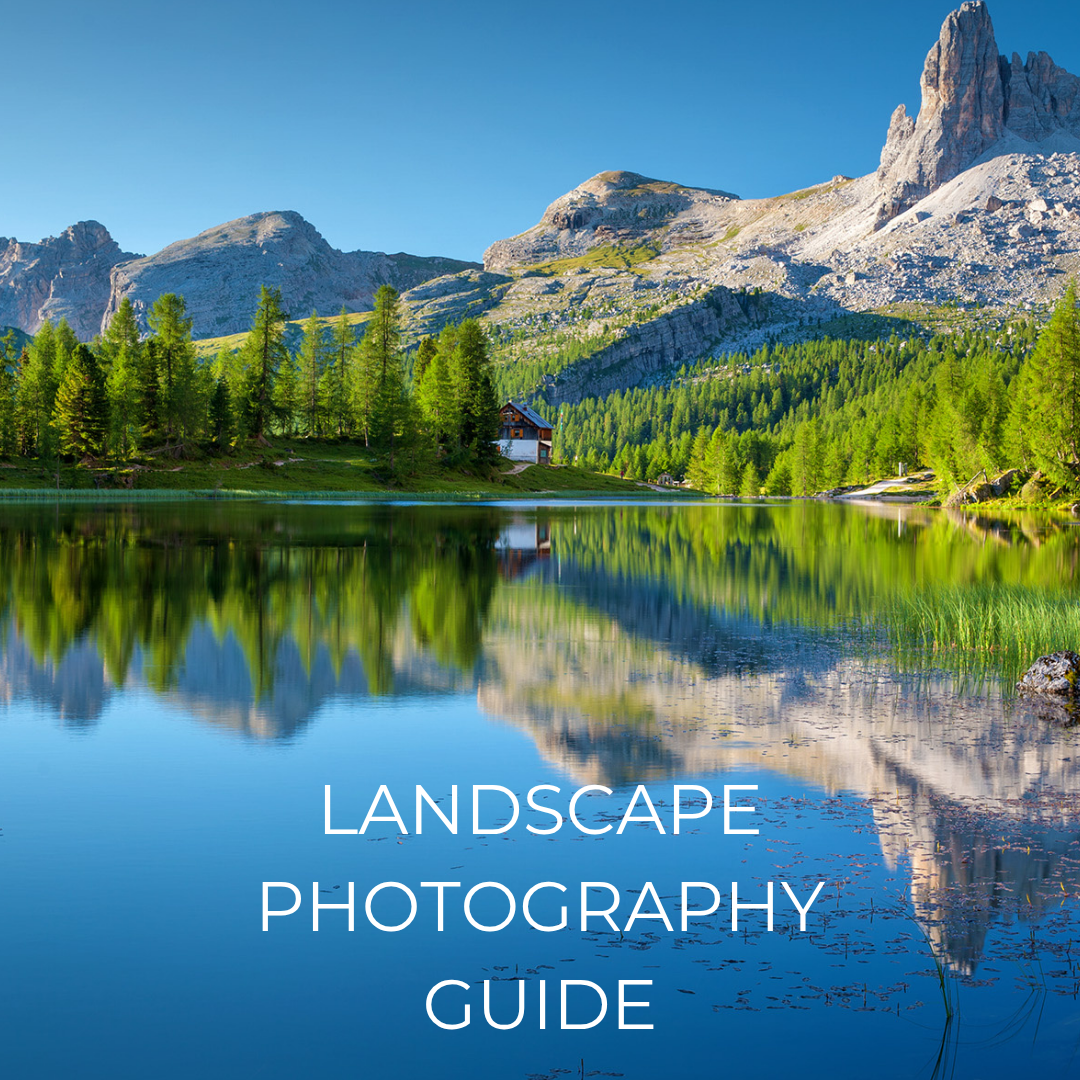
Landscape Photography Guide
Complete guide to stunning landscape and nature photography
Master the art of capturing breathtaking landscapes, from mountains to valleys
Essential Camera Settings
General Landscapes
Long Exposure
Low Light
Essential Equipment
Must-Have Gear
Essential for sharp landscapes
Control exposure in bright conditions
Balance sky and foreground
Prevent camera shake
Recommended Lenses
Vast landscapes
Versatile scenes
Isolate elements
Compress mountains
Composition Techniques
Foreground Elements
Include interesting foreground elements to create depth and lead the viewer’s eye into the scene.
- • rocks, fallen logs, or interesting textures
- • wildflowers or vegetation patterns
- • reflections in water or wet surfaces
Depth of Field
Use hyperfocal distance focusing to maximize sharpness from foreground to background.
- • focus 1/3 into the scene for optimal sharpness
- • use f/8-f/11 for best lens performance
- • avoid f/16+ to prevent diffraction softness
Best Times to Shoot
Golden Hour
1 hour after sunrise
1 hour before sunset
warm, directional light perfect for dramatic landscapes
Blue Hour
30 min after sunset
30 min before sunrise
even lighting with rich colors in sky and water
Stormy Weather
before and after
storms pass
dramatic clouds and lighting conditions
Common Challenges & Solutions
High Dynamic Range
Problem: bright sky and dark foreground
Solution: use graduated ND filters, exposure bracketing, or HDR techniques
Camera Shake
Problem: blurry images from movement
Solution: use sturdy tripod, remote shutter, mirror lock-up, and wind protection
Focusing in Low Light
Problem: autofocus struggles in dim conditions
Solution: use manual focus, focus peaking, live view magnification, or hyperfocal distance
Weather Conditions
Problem: harsh weather damaging equipment
Solution: use weather protection, lens hoods, and clean gear immediately after use
Creative Techniques
Long Exposure
- • use 30s-4min exposures for smooth water and clouds
- • strong ND filters (6-10 stops) for daylight long exposures
- • bulb mode with timer for precise exposure control
Focus Stacking
- • take multiple shots at different focus points
- • blend in post-processing for front-to-back sharpness
- • ideal for macro landscapes and close foregrounds
Planning & Preparation
Research Tools
- • use apps like PhotoPills for sun/moon positioning
- • check weather forecasts and cloud coverage
- • scout locations using Google Earth and maps
- • research tide charts for coastal landscapes
Safety & Ethics
- • inform someone of your location and plans
- • carry safety gear for remote locations
- • respect leave no trace principles
- • follow local regulations and permits