Street Photography Guide
Capture authentic moments in urban environments
Master the art of candid photography and storytelling
Essential Camera Settings
General Street
Aperture:
f/5.6 – f/8
Shutter:
1/125s – 1/250s
ISO:
400 – 1600
Low Light/Night
Aperture:
f/2.8 – f/4
Shutter:
1/60s – 1/125s
ISO:
1600 – 6400
Action/Movement
Aperture:
f/4 – f/5.6
Shutter:
1/250s – 1/500s
ISO:
800 – 3200
Essential Equipment
Must-Have Gear
- • Prime lens (35mm or 50mm): Fast aperture, compact size
- • Camera strap: Secure and comfortable for all-day shooting
- • Extra batteries: Cold weather drains batteries faster
- • Memory cards: Fast write speeds, multiple cards
- • Lightweight bag: Quick access, weatherproof
Recommended Lenses
- • 35mm f/1.4-2.8: Wide angle, environmental context
- • 50mm f/1.4-2.8: Natural perspective, great for portraits
- • 85mm f/1.8: Compression, isolating subjects
- • 24-70mm f/2.8: Versatile zoom for various situations
Composition Techniques
Key Elements
- • Leading lines: Use architecture, shadows, pathways
- • Layering: Foreground, middle ground, background
- • Framing: Use doorways, windows, archways
- • Juxtaposition: Contrast old vs new, large vs small
Storytelling
- • Decisive moment: Capture peak action or emotion
- • Environmental context: Include surroundings for story
- • Human interaction: People relating to their environment
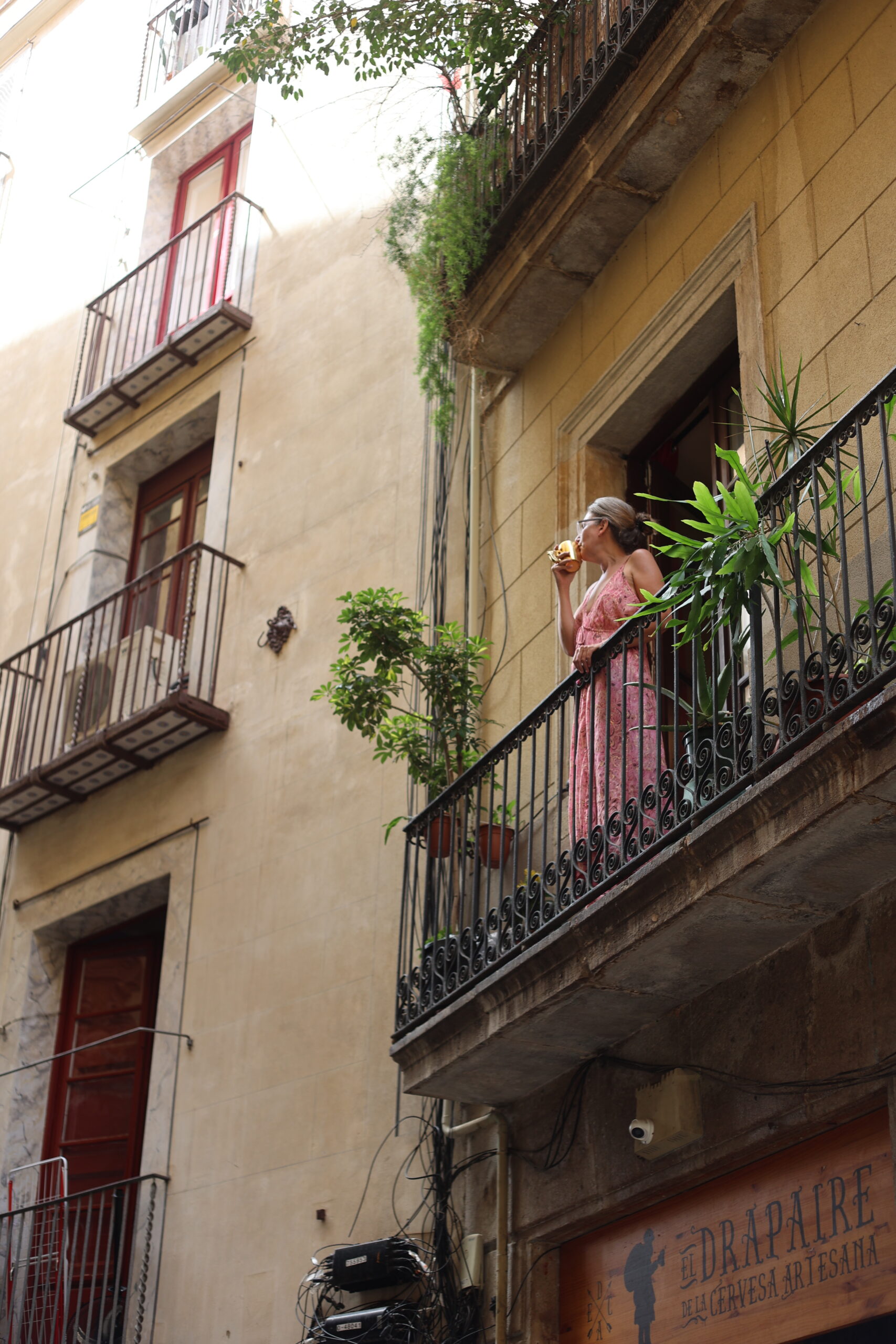
- • Daily life moments: Authentic, unposed situations
Timing and Lighting
Golden Hour
Warm, directional light creates dramatic shadows and mood
- • Enhanced skin tones
- • Long, interesting shadows
- • Backlit silhouettes
Overcast Days
Even, diffused lighting perfect for portraits and details
- • Soft, even lighting
- • Saturated colors
- • No harsh shadows
Night/Artificial Light
Neon signs, street lights create urban atmosphere
- • Mixed color temperatures
- • High contrast scenes
- • Dramatic mood
Common Challenges & Solutions
Moving Subjects
Use continuous autofocus (AI Servo/AF-C), higher ISO for faster shutter speeds, anticipate movement patterns
Mixed Lighting
Shoot in RAW for post-processing flexibility, use manual white balance, embrace color casts for mood
Privacy Concerns
Focus on backs/silhouettes, shoot from distance with longer lens, respect personal space and cultural norms
Busy Backgrounds
Use wider apertures to blur background, find cleaner angles, wait for better positioning of subjects
Creative Techniques
Advanced Methods
- • Intentional camera movement: Create dynamic, abstract images
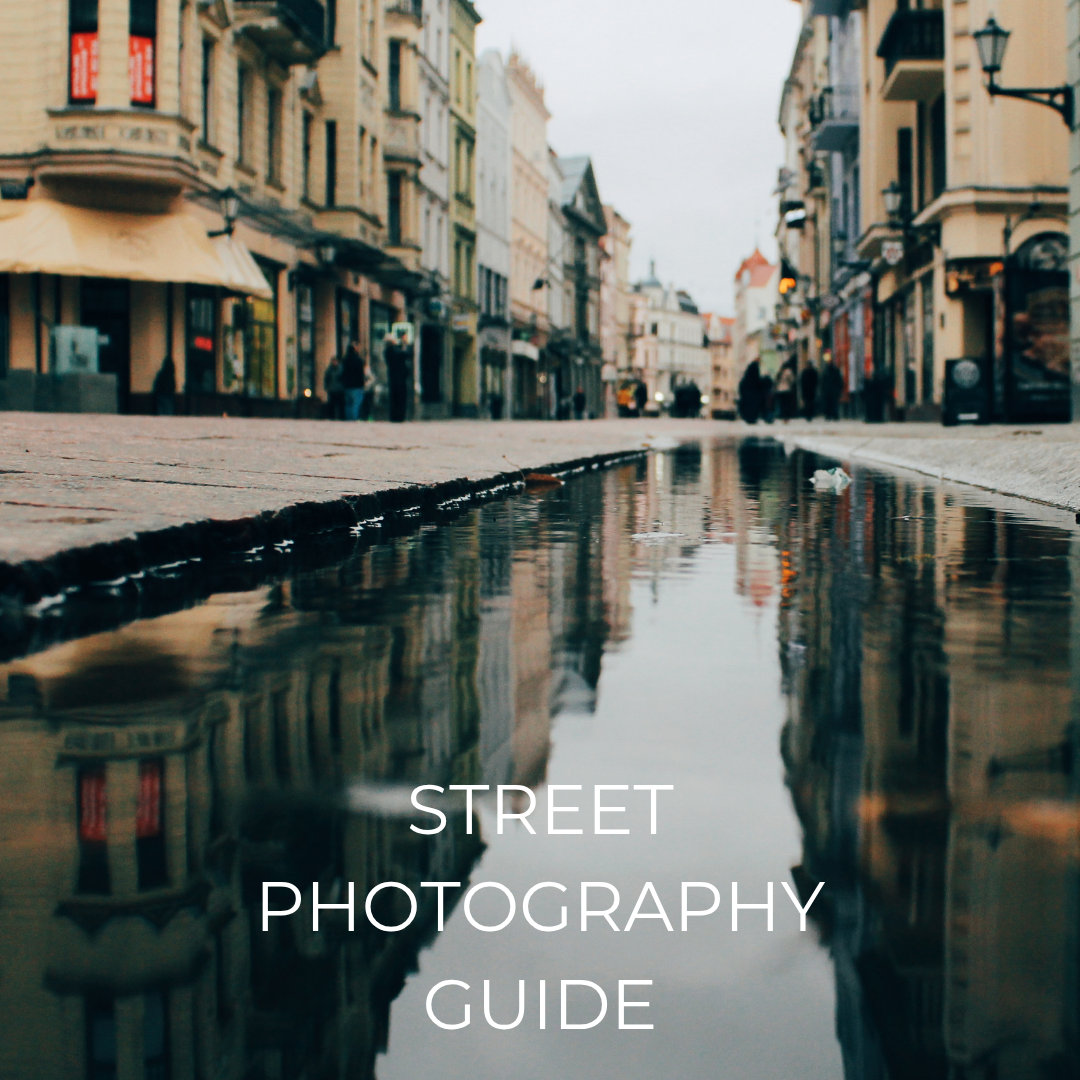
- • Reflections: Use puddles, windows, mirrors for unique perspectives
- • Multiple exposure: Layer images for surreal effects
- • Shadow play: Use dramatic lighting for artistic effect
Perspective Tips
- • Low angles: Shoot from ground level for dramatic impact
- • High vantage points: Find elevated positions for overview shots
- • Through objects: Shoot through fences, glass, crowds
- • Close-up details: Focus on textures, patterns, small moments
Ethics & Legal Considerations
Best Practices
- • Respect people’s privacy and personal space
- • Be mindful of cultural sensitivities
- • Avoid photographing vulnerable populations
- • Consider the impact of your presence
- • Be prepared to delete images if requested
Legal Guidelines
- • Know your local photography laws
- • Understand public vs private property rules
- • Consider model releases for commercial use
- • Respect restrictions around government buildings
- • Be aware of photography bans in certain areas