Ciao, fellow adventurers and food lovers! Beyond its ancient ruins and stunning art, Rome is a culinary paradise, a place where every meal tells a story and every bite is a revelation. Forget everything you think you know about Italian food; Roman cuisine is a world unto itself, built on simple, fresh ingredients and centuries of tradition.
As a flight attendant, I’ve had the incredible opportunity to explore countless cities, but Rome always holds a special place in my heart (and my stomach!). The food here isn’t just sustenance; it’s an experience, a cultural immersion that will leave you craving more long after you’ve left. So, buckle up, because I’m about to share my top 7 must-try dishes that will make your Roman holiday unforgettable. Get ready to eat like a local!
The Roman Culinary Journey Begins…
1. Cacio e Pepe: The Creamy Dream
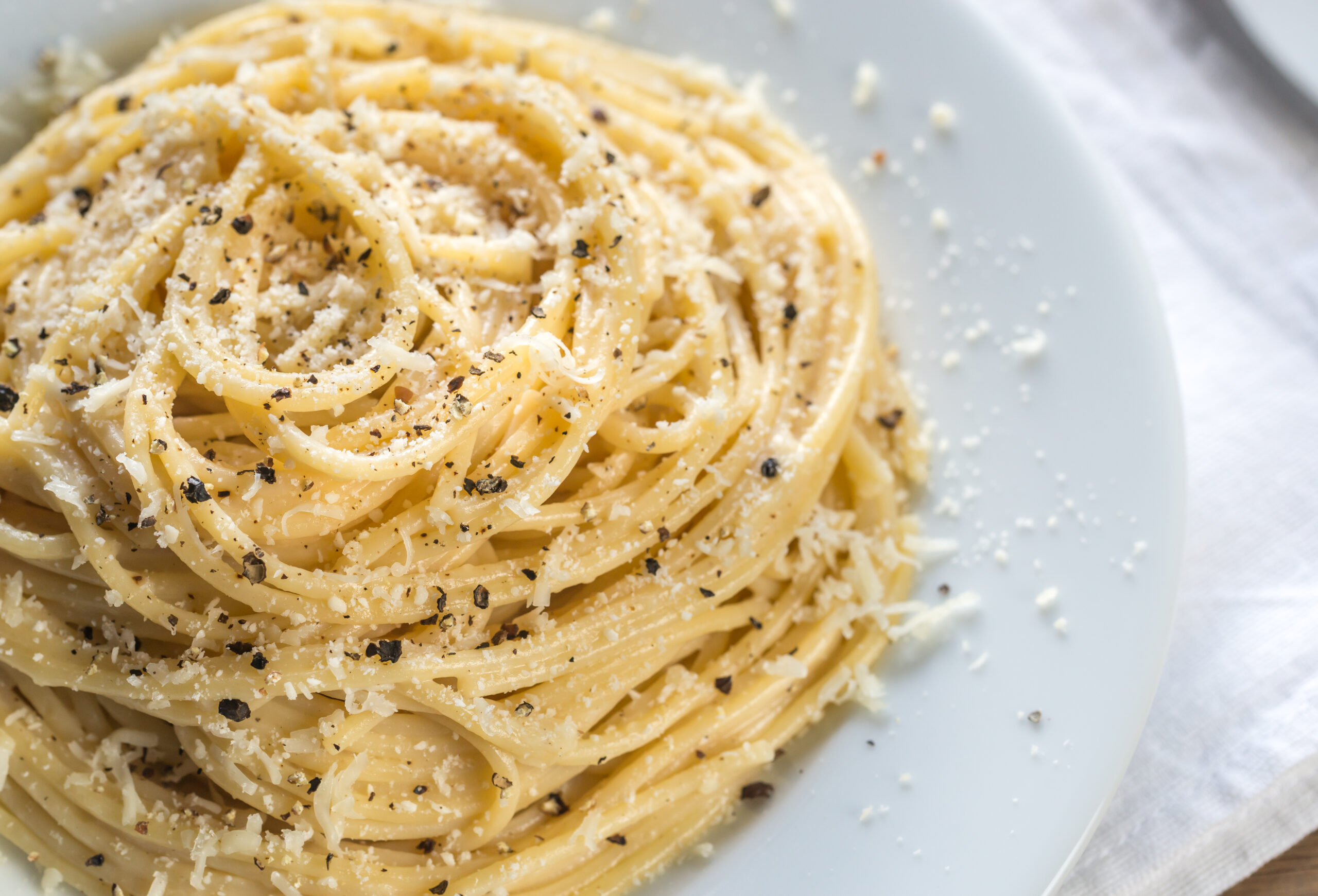
Description: Imagine a pasta dish so simple, yet so profoundly satisfying, it feels like a warm hug from Nonna herself. That’s Cacio e Pepe. Made with just Pecorino Romano cheese, black pepper, and the magical starchy pasta water, it transforms into an incredibly creamy, emulsified sauce that clings to every strand of pasta. No cream needed, just pure Roman ingenuity!
Cultural Context: This dish is a testament to Roman cucina povera – the “poor man’s cooking” tradition that elevates humble ingredients into culinary masterpieces. It’s a dish that speaks to the heart of Roman resilience and resourcefulness.
Where to find it:
•Da Enzo al 29 (Trastevere): A charming, no-frills trattoria where you’ll find a Cacio e Pepe that’s consistently praised for its authenticity and flavour. Be prepared for a wait, but it’s worth every minute!
•Armando al Pantheon (Pantheon): A historic gem right by the Pantheon, offering a refined yet traditional take on Roman classics. Their Cacio e Pepe is a must-try for its perfect balance and rich taste.
•Roscioli Salumeria con Cucina (Campo de’ Fiori): More than just a deli, Roscioli offers an exquisite dining experience. Their Cacio e Pepe is a masterclass in flavor, showcasing the quality of their ingredients.
2. Carbonara: The Roman Icon
Description: If there’s one pasta dish that screams Rome, it’s Carbonara. This creamy, indulgent masterpiece is made with eggs, Pecorino Romano cheese, crispy guanciale (cured pork jowl), and a generous dusting of black pepper. The magic happens when the hot pasta emulsifies with the egg and cheese, creating a velvety sauce that coats every strand.
Cultural Context: Carbonara is more than just a dish; it’s a culinary debate! Everyone has an opinion on the authentic recipe, but one thing is certain: it’s a rich, satisfying dish that embodies the hearty spirit of Roman cuisine. It’s a dish that has traveled the world, but nothing beats the original in Rome.
Where to find it:
•Roscioli Salumeria con Cucina (Campo de’ Fiori): Yes, Roscioli again! Their Carbonara is legendary, a perfect balance of rich guanciale, creamy egg, and sharp Pecorino. A true Roman experience.
•Da Enzo al 29 (Trastevere): Consistently ranked among the best, Da Enzo’s Carbonara is a testament to traditional Roman cooking. Simple, perfect, and utterly delicious.
•Armando al Pantheon (Pantheon): Another reliable spot for a classic Carbonara, prepared with care and respect for tradition. You can’t go wrong here.
3. Amatriciana: A Symphony of Flavours
Description: Amatriciana is a robust and flavourful pasta sauce that hails from Amatrice, a town near Rome, but has become a beloved staple of Roman cuisine. It’s made with guanciale, Pecorino Romano cheese, tomatoes, and a touch of chili for a subtle kick. The sauce is typically served with bucatini, a thick, hollow spaghetti-like pasta that perfectly captures the rich sauce.
Cultural Context: Amatriciana is a dish with a rich history, representing the rustic and hearty flavours of the Lazio region. It’s a testament to the Italian philosophy of using a few high-quality ingredients to create something truly extraordinary. Each bite is a journey through the sun-drenched landscapes and culinary traditions of central Italy.
Where to find it:
•Trattoria Perilli (Testaccio): A historic trattoria in the Testaccio neighbourhood, known for its authentic Roman dishes. Their Amatriciana is a standout, with a perfectly balanced sauce and tender guanciale.
•Da Enzo al 29 (Trastevere): This popular spot also excels at Amatriciana, offering a classic rendition that’s full of flavour and tradition.
•Checchino dal 1887 (Testaccio): Another long-standing Roman institution, Checchino dal 1887 serves a refined Amatriciana that honours its heritage.
4. Supplì: The Roman Street Food King
Description: Get ready for Rome’s favourite fried delight: Supplì! These crispy, golden-brown rice balls are typically filled with tomato sauce, rice, and a melting heart of mozzarella cheese. The name “supplì al telefono” comes from the way the mozzarella stretches like a telephone cord when you break it open – a delicious visual!
Cultural Context: Supplì are the undisputed kings of Roman street food, often enjoyed as a quick snack or a delicious appetiser before a pizza. They embody the Roman spirit of transforming simple, readily available ingredients into something utterly irresistible. Perfect for a grab-and-go bite while exploring the city’s ancient wonders.
Where to find it:
•Supplì Roma (Trastevere): A legendary spot in Trastevere, known for its classic, perfectly fried supplì. A must-visit for an authentic taste of Roman street food.
•Supplizio (Campo de’ Fiori): For a more gourmet take on supplì, Supplizio offers various creative fillings alongside the traditional. A great place to explore different flavours.
•Pizzarium (Vatican City area): While primarily famous for its incredible pizza al taglio, Pizzarium also serves up some fantastic supplì, making it a perfect stop for a quick and satisfying meal near the Vatican.
5. Carciofi alla Romana: The Artichoke Masterpiece
Description: When spring arrives in Rome, so does the season for artichokes, and Carciofi alla Romana is a dish that celebrates this beloved vegetable. Whole Roman artichokes are meticulously cleaned, then braised until incredibly tender with a delicate blend of herbs, typically Roman mint (mentuccia) and garlic, in white wine and olive oil. The result is a soft, flavorful artichoke that practically melts in your mouth.
Cultural Context: Artichokes are deeply ingrained in Roman culinary tradition, and Carciofi alla Romana showcases the city’s appreciation for fresh, seasonal produce. It’s a lighter, more elegant preparation compared to its fried cousin, Carciofi alla Giudia (Jewish-style artichokes), offering a different facet of Roman cooking that highlights the vegetable’s natural sweetness and tenderness.
Where to find it:
•Checchino dal 1887 (Testaccio): A historic institution in the heart of Testaccio, this restaurant is renowned for its traditional Roman cuisine, and their seasonal artichoke dishes, including Carciofi alla Romana, are always a highlight.
•Armando al Pantheon (Pantheon): When in season, Armando al Pantheon offers a beautifully prepared version of Carciofi alla Romana, reflecting their commitment to classic Roman flavours and high-quality ingredients.
•Da Enzo al 29 (Trastevere): This popular trattoria in Trastevere is another excellent choice for authentic Roman dishes. During artichoke season, their Carciofi alla Romana is a must-try for its genuine taste and tender texture.
6. Saltimbocca alla Romana: The Dish That Jumps in Your Mouth
Description: Saltimbocca alla Romana is a savoury and elegant second course that perfectly embodies the Roman approach to meat dishes. Thin slices of tender veal are topped with a slice of savoury prosciutto and a fresh sage leaf, then pan-fried quickly in white wine and butter. The name, literally meaning “jumps in the mouth,” perfectly describes the burst of flavours you experience with every bite.
Cultural Context: While its precise origins are a subject of friendly debate, Saltimbocca alla Romana has firmly established itself as a quintessential Roman dish. It showcases the Roman preference for simple, high-quality ingredients that are allowed to shine. This dish is a testament to the city’s culinary philosophy: fresh, flavourful, and prepared with a respect for tradition. It’s a popular choice for a main course in trattorias across the city, offering a delightful contrast to the rich pasta dishes.
Where to find it:
•Armando al Pantheon (Pantheon): Known for its unwavering commitment to traditional Roman cuisine, Armando al Pantheon serves a consistently excellent Saltimbocca alla Romana that highlights the freshness of its ingredients.
•Checchino dal 1887 (Testaccio): This historic establishment, with its deep roots in Roman culinary history, offers a well-regarded version of this classic dish, prepared with the care and expertise that comes from generations of cooking.
•La Matricianella (Centro Storico): A charming and traditional Roman trattoria, La Matricianella is another reliable spot to savour an authentic Saltimbocca alla Romana, prepared with the robust flavours characteristic of Roman cooking.
7. Maritozzi con la Panna: A Sweet Roman Kiss
Description: For those with a sweet tooth, Maritozzi con la Panna is an absolute must-try. This delightful Roman pastry features a soft, sweet bun, often subtly flavoured with candied fruit or pine nuts, which is then sliced open and generously filled with a cloud of freshly whipped cream. It’s a simple yet incredibly indulgent treat that perfectly balances the light sweetness of the bun with the rich, airy cream.
Cultural Context: Maritozzi have a charming and romantic history. Traditionally, on the first Friday of March, fiancés would present their beloved with a maritozzo that often contained a hidden ring, symbolising a proposal. This sweet tradition has made the maritozzo a symbol of love and affection in Rome. Today, it’s a popular breakfast item, often enjoyed with a strong Italian coffee, but it’s equally perfect as a mid-afternoon pick-me-up or a delightful dessert.
Where to find it:
•Pasticceria Regoli (Esquilino): This historic pastry shop is a true Roman institution, renowned for its exceptional maritozzi. Be prepared for a queue, but the fresh, perfectly filled buns are well worth the wait.
•Il Maritozzaro (Trastevere): As its name suggests, this spot specialises in maritozzi, offering both the classic sweet version and some savoury options. It’s a great place to experience the true essence of this Roman delicacy.
•Roscioli Caffè (Campo de’ Fiori): While the Roscioli name is famous for its bread and deli, their caffè also serves outstanding maritozzi, making it a perfect stop for a sweet treat after exploring the Campo de’ Fiori market.
Your Roman Culinary Adventure Awaits!
There you have it, my fellow travellers! A taste of the incredible culinary delights that await you in Rome. From the creamy comfort of Cacio e Pepe to the sweet indulgence of Maritozzi con la Panna, each dish tells a story of tradition, passion, and the unparalleled joy of Italian food. So, when you find yourself wandering the charming streets of Rome, don’t just sightsee – eat! Embrace the local flavours, seek out these authentic trattorias, and let your taste buds embark on an unforgettable adventure.
Buon appetito, and happy travels!
Want to know the best way to get around Rome? See our other post How to Get Around Rome here.