
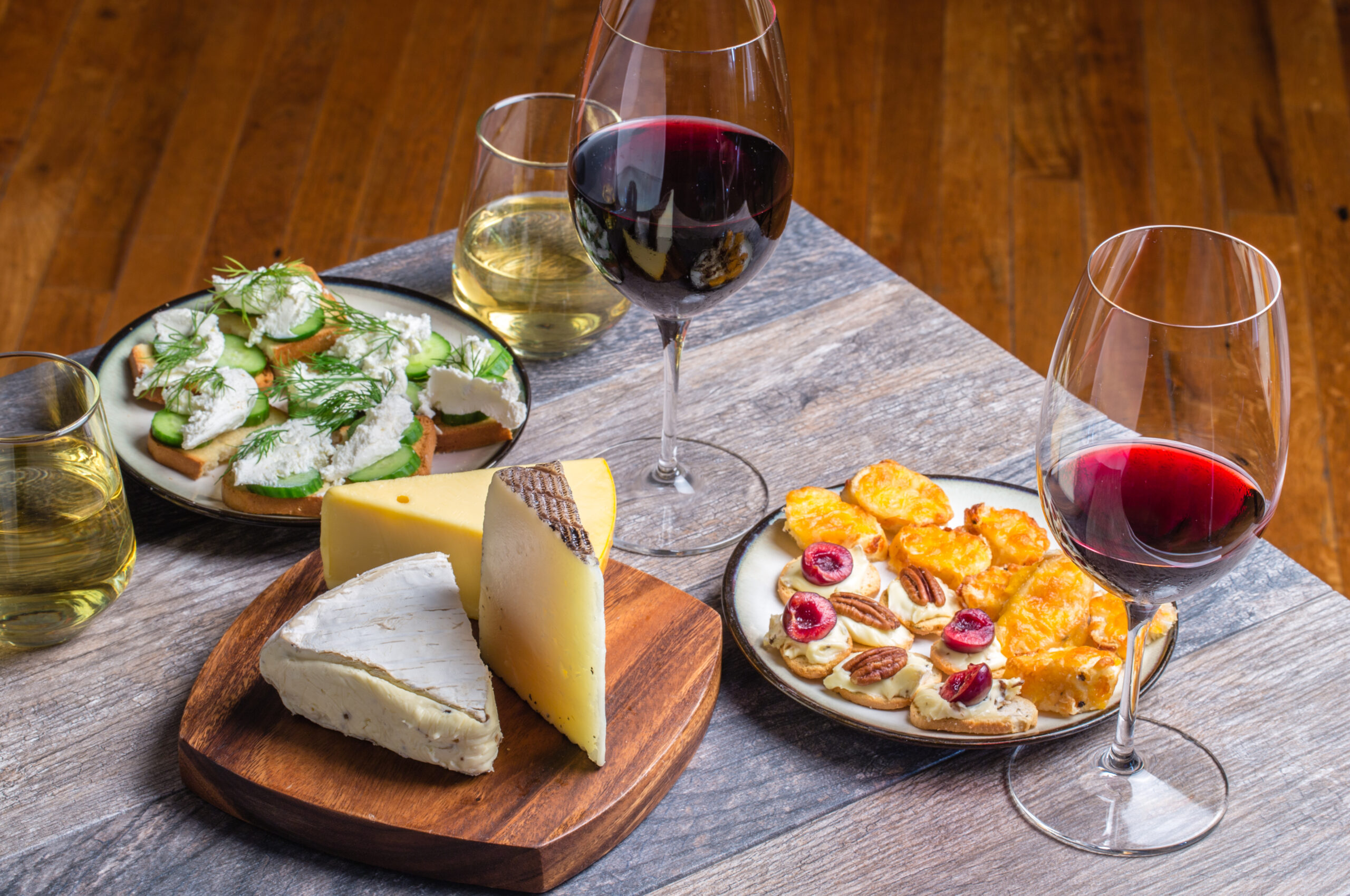
Wine and food pairing is an art and a science that seeks to create a harmonious and enhanced dining experience. When done correctly, the right wine can elevate a meal and a well-chosen dish can bring out the best qualities of a wine. This guide provides a foundational understanding of the principles of wine and food pairing, offering practical advice for both novice enthusiasts and seasoned connoisseurs.
Understanding the Fundamentals of Wine
The key to successful pairing lies in understanding the primary characteristics of wine. These components interact with the elements of a dish to create a balanced and enjoyable combination.
Acidity: Acidity in wine provides a sense of freshness and crispness. It can cut through rich, fatty foods and cleanse the palate.
Sweetness: The level of residual sugar in a wine determines its sweetness. Sweetness can balance spiciness in food and complement desserts.
Tannins: Tannins are phenolic compounds found in the skins, seeds, and stems of grapes. They create a drying sensation in the mouth and are most prominent in red wines. Tannins bind with proteins, which is why tannic wines pair well with red meat.
Alcohol: The alcohol content contributes to the wine’s body and perceived weight. Higher alcohol wines can feel fuller and more powerful.
Flavour Profile: Each wine has a unique set of flavours and aromas derived from the grape varietal, terroir, and winemaking process. These can range from fruity and floral to earthy and spicy.
Core Principles of Food and Wine Pairing
While there are no strict rules, the following principles provide a reliable framework for making successful pairings:
Match Intensity: Pair light-bodied wines with lighter dishes and full-bodied wines with richer, more flavourful foods. A delicate fish, for example, would be overwhelmed by a powerful Cabernet Sauvignon.
Balance Acidity: High-acid wines are an excellent complement to fatty or oily foods, as the acidity cuts through the richness and cleanses the palate.
Complement or Contrast Flavours: Pairings can be successful when the wine and food share common flavour profiles (complementary) or when they offer contrasting but balanced characteristics (contrasting). For instance, an earthy Pinot Noir with a mushroom dish is a complementary pairing.
Sweetness and Spice: A wine with a touch of sweetness can tame the heat of spicy dishes. A slightly sweet Riesling, for example, is a classic pairing for spicy Thai or Indian cuisine.
Tannins and Protein: The tannins in red wine are softened by the proteins in red meat, making for a smoother, more palatable experience.
Regional Pairings: A time-tested guideline is to pair wines and foods from the same region. What grows together often goes together, as these pairings have evolved over centuries.
A Guide to Popular Wine Varietals and Their Pairings
The following table provides a quick reference for pairing some of the most popular wine varietals:
| Wine Varietal | Type | Flavor Profile | Recommended Pairings |
| Cabernet Sauvignon | Red | Blackberry, blackcurrant, vanilla | Grilled steak, lamb, aged cheddar |
| Pinot Noir | Red | Cherry, raspberry, mushroom | Salmon, mushroom risotto, roast chicken |
| Merlot | Red | Plum, chocolate, black cherry | Burgers, roast pork, pasta with red sauce |
| Syrah/Shiraz | Red | Blackberry, pepper, leather | BBQ ribs, spiced sausage, lamb |
| Chardonnay | White | Apple, butter, vanilla | Lobster, chicken alfredo, creamy chowders |
| Sauvignon Blanc | White | Lime, gooseberry, green apple | Goat cheese, sushi, fresh salads |
| Pinot Grigio | White | Lemon, pear, floral | Shrimp scampi, grilled vegetables |
| Riesling | White | Apricot, lime, honey | Thai curry, pork loin, apple tart |
| Rosé | Rosé | Strawberry, watermelon, citrus | Tapas, grilled shrimp, ham |
| Sparkling Wine | Sparkling | Apple, brioche, citrus | Oysters, sushi, fried chicken |
Exploring Beyond the Familiar
While the popular varietals offer a great starting point, the world of wine is vast and full of hidden gems. Consider exploring these less common but equally rewarding wines:
Viognier: A full-bodied white wine with notes of peach, tangerine, and honeysuckle. It pairs beautifully with Thai green curry or roasted squash.
Chenin Blanc: A versatile white wine that can range from dry to sweet, with flavours of apple, lemon, and honey. It is an excellent match for pork, spicy stir-fries, or soft cheeses.
Carménère: A medium-bodied red wine from Chile with flavours of plum, cherry, and a characteristic hint of green pepper. It is delicious with barbecue or burgers.
On Price and Quality
It is a common misconception that a higher price tag always equates to a better wine. Excellent wines can be found at all price points. To discover high-quality, affordable wines, consider the following tips:
Explore Lesser-Known Regions: Regions such as Chile, South Africa, and Portugal offer exceptional value.
Consider Blends: Wines made from a blend of grape varietals are often more affordable than single-varietal wines.
Utilise Technology: Apps like Vivino can provide user ratings and reviews to help you make informed purchasing decisions.
Food and wine pairing is a journey of discovery, not a rigid set of rules. The most important principle is to enjoy the experience. Be curious, experiment with different combinations and trust your own palate. By understanding the fundamental characteristics of wine and applying a few guiding principles, you can confidently create memorable and delightful dining experiences.
Want to learn more about Wine Pairing? See our other post The Art of Wine and Cheese: A Match Made in Culinary Heaven