
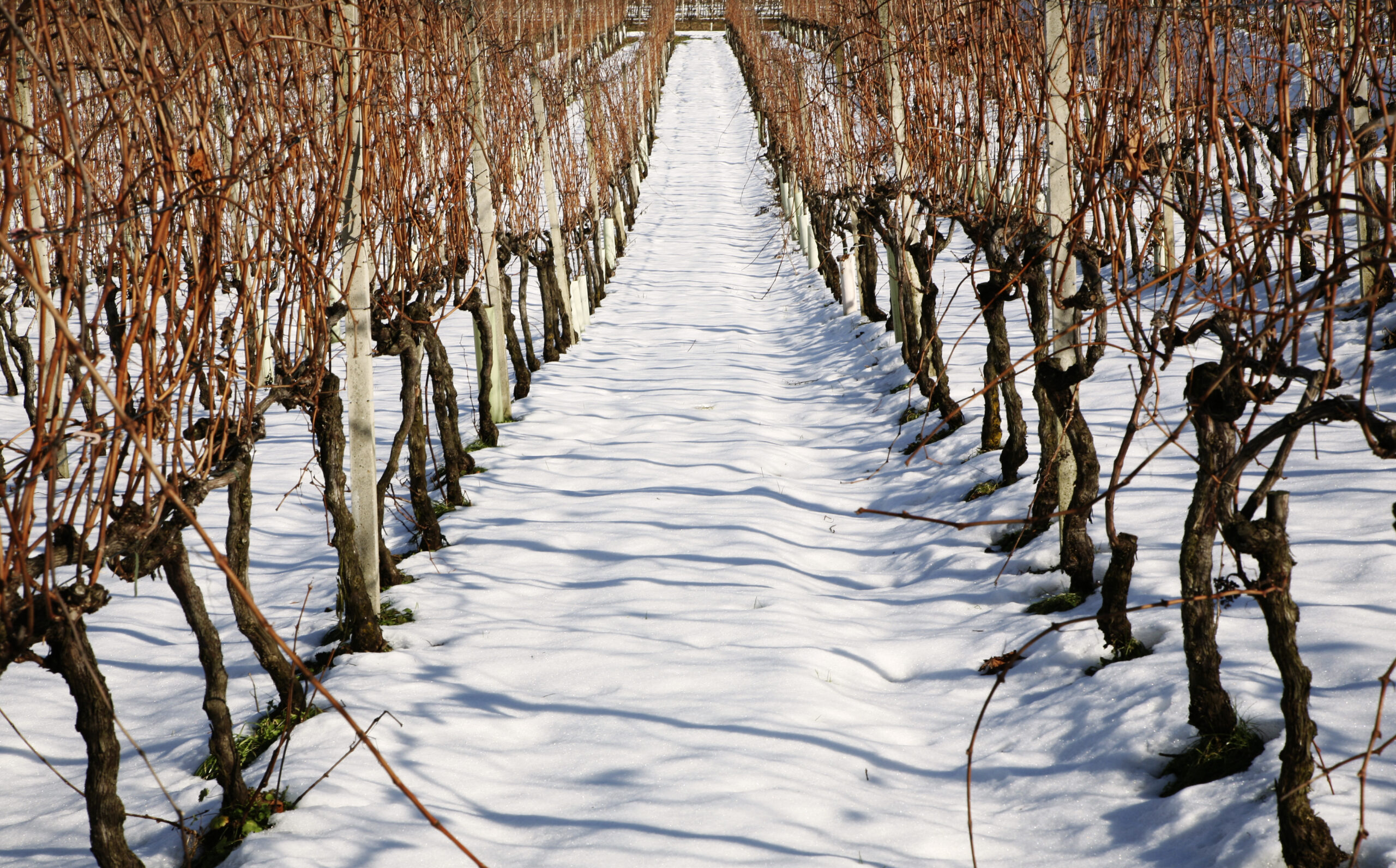
Welcome to the cool-climate world of Canadian wine. While Canada may be famous for its winters, its wine regions are a testament to the country’s diverse geography and the resilience of its winemakers. From the world-renowned Ice wines of Ontario to the crisp, elegant whites of British Columbia and the vibrant sparkling wines of Nova Scotia, Canada is producing wines that are gaining international acclaim for their quality, complexity, and unique expression of terroir.
History of Wine in Canada
The history of winemaking in Canada dates back to the early 17th century, when French settlers planted the first vineyards in Nova Scotia. However, it was not until the mid-19th century that the industry began to take shape, with the establishment of the first commercial winery, Vin Villa, in Ontario in 1866. The industry faced significant challenges, including a harsh climate and the era of Prohibition. A major turning point came in 1988 with the establishment of the Vintners Quality Alliance (VQA) in Ontario, a regulatory system that set standards for grape growing and winemaking, significantly enhancing the reputation of Canadian wines. This, coupled with a focus on Vitis vinifera grapes, has led to the modern, quality-driven industry we see today.
Canada: Regions, Wines, and Getting There
Canada’s wine regions are primarily located in the southern parts of the country, where lakes and oceans provide a moderating influence on the climate, creating ideal conditions for cool-climate viticulture. These regions are clustered between 41° and 51° North latitude, aligning with famous European appellations like Burgundy and Champagne.
Major Wine Regions in Canada
| Region | Key Characteristics | Notable Grapes |
| Ontario | Canada’s largest wine-producing province, with the Niagara Peninsula being the most significant area. The proximity to Lake Ontario creates a temperate microclimate, ideal for a wide range of grapes. It is the world’s largest producer of Icewine. | Riesling, Chardonnay, Cabernet Franc, Pinot Noir, Icewine |
| British Columbia | The second-largest producer, with the Okanagan Valley as its premier region. This long, narrow valley is a diverse landscape of lakes, mountains, and arid benchlands, producing a wide array of wine styles. | Merlot, Pinot Noir, Cabernet Sauvignon, Syrah, Pinot Gris, Chardonnay |
| Nova Scotia | An emerging star on the Atlantic coast, this maritime region is gaining a reputation for its high-quality sparkling wines, which benefit from the cool climate and coastal influence. | L’Acadie Blanc, Seyval Blanc, Chardonnay, Pinot Noir (for sparkling) |
| Quebec | Known for its cold-hardy grape varieties and a focus on hybrid grapes, Quebec’s wine industry is growing, particularly in the Eastern Townships, with its hilly landscape and moderating rivers. | Vidal Blanc, Marechal Foch, Frontenac |
Types of Wines Produced in Canada
Canada’s cool climate is perfectly suited for producing wines with bright acidity, complex aromatics, and elegant structures. Icewine is undoubtedly Canada’s most famous and unique contribution to the wine world. This luscious dessert wine is made from grapes that have naturally frozen on the vine, concentrating their sugars and flavors.
Beyond Icewine, Canada excels with aromatic white wines like Riesling and crisp Chardonnay. For red wines, Pinot Noir and Cabernet Franc thrive in the cooler temperatures, producing wines with finesse and complexity. In the warmer pockets of the Okanagan Valley, fuller-bodied reds like Merlot, Cabernet Sauvignon, and Syrah are also produced with great success.
How to Get There
Canada’s major wine regions are easily accessible from major urban centers. The Niagara Peninsula is a short drive from Toronto and is a well-developed tourist destination with numerous wineries, restaurants, and accommodations. The Okanagan Valley is a popular vacation spot, accessible by car from Vancouver or by flying into Kelowna. Both regions offer well-marked wine routes and a variety of tour options, making it easy for visitors to explore the diverse offerings of Canadian wine country.