
Welcome to the vibrant and often surprising world of Mexican wine. While I commonly associate Mexico with tequila and mezcal, it is in fact the oldest wine-producing region in the Americas, with a history stretching back to the 16th century. From the coastal breezes of Baja California to the high-altitude plateaus of the interior, Mexico offers a rich and diverse terroir that is now producing world-class wines and attracting international attention.
History of Wine in Mexico
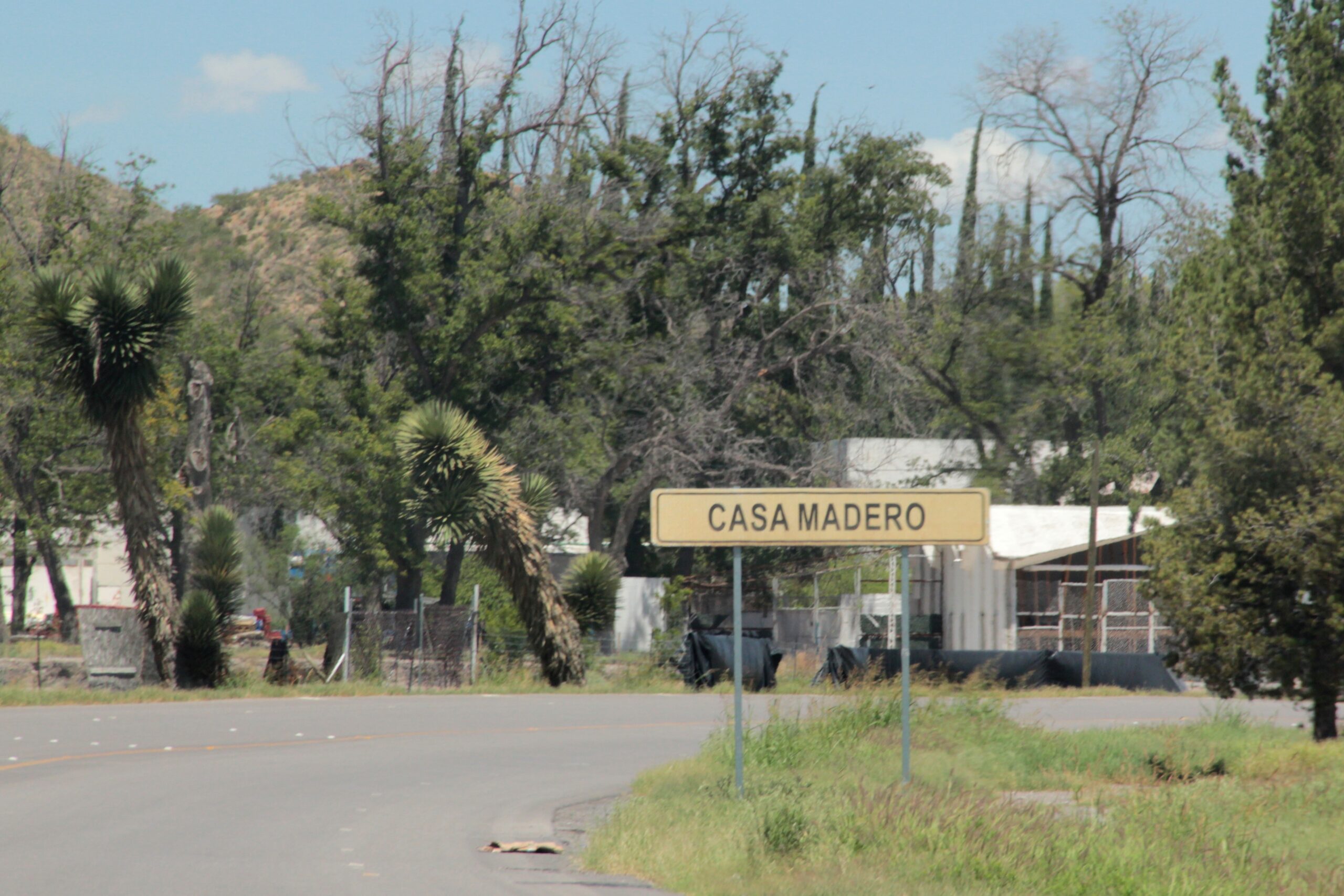
The story of Mexican wine begins with the Spanish conquistadors. In the 16th century, they brought Vitis vinifera vines from Europe and planted the first vineyards in the Americas. I discovered it has a long history that is exemplified by Casa Madero. Casa Madero is located in the Valle de Parras, which was founded in 1597 and something I found out is that it holds the title of the oldest continually operating winery in the Americas. Despite this early start, the industry faced numerous challenges over the centuries. However, the 1970s marked the beginning of a modern renaissance, with a renewed focus on quality and the planting of international grape varieties.
Mexico: Regions, Wines, and Getting There
Mexico’s wine regions are defined by their arid climates and high-altitude vineyards, which provide the necessary temperature fluctuations for grapes to thrive. Irrigation is essential, but the resulting wines are often deeply concentrated with a unique sense of place.
Major Wine Regions in Mexico
| Region | Key Characteristics | Notable Grapes |
| Baja California | The heart of modern Mexican wine, producing over 85% of the country’s total. The Valle de Guadalupe, often called the “Napa Valley of Mexico,” benefits from the cooling influence of the Pacific Ocean, with morning fogs and granite-rich soils. | Cabernet Sauvignon, Nebbiolo, Tempranillo, Chenin Blanc, Sauvignon Blanc |
| Valle de Parras, Coahuila | A high-altitude oasis (nearly 5,000 feet) with a cooler microclimate. Home to the historic Casa Madero, it has a long tradition of producing quality wines. | Syrah, Cabernet Sauvignon, Tempranillo, Chardonnay, Chenin Blanc |
| Central Mexico | The regions of Querétaro and Guanajuato are distinguished by their high elevations (up to 6,500 feet) and loamy clay soils. This area is becoming a hub for quality sparkling wine production. | Cabernet Franc, Merlot, Malbec (for reds); Sauvignon Blanc, Chardonnay (for whites) |
Types of Wines Produced in Mexico
Mexico’s winemakers have embraced a wide range of grape varieties. For red wines, you will find everything from the bold and structured Cabernet Sauvignon and Nebbiolo to the spicy Tempranillo and fruity Grenache. White wines are equally diverse, with crisp Sauvignon Blanc, full-bodied Chardonnay, and aromatic Chenin Blanc leading the way.
One of the hallmarks of Mexican wine is the art of the blend. I discovered the Winemakers are not always bound by Old World traditions, they can be creative with unique combinations. Some of this included blending Cabernet Sauvignon with Grenache and Barbera.
How to Get There
Mexico’s primary wine regions are surprisingly accessible. The Valle de Guadalupe is just a 90-minute drive south of the San Diego-Tijuana border, making it an easy weekend trip from Southern California. The region is well-equipped for tourism. The Wine Route, “Ruta del Vino” connects dozens of wineries, boutique hotels and world-class restaurants. For those looking to explore the interior regions, domestic flights to cities like Querétaro or Torreón provide a gateway to the high-altitude vineyards of Central Mexico and the Valle de Parras.