I’m heading back to do some solo travel in Italy, and this time I really want to get the dining etiquette right. Eating out in Italy isn’t just about food, it’s about ritual — the way locals start their morning with a quick coffee at the bar, or how a proper meal unfolds slowly over several courses with good company. Even after years of travelling, I still find myself brushing up on the little details before I go, because dining in Italy comes with its own rhythm and rules.
Whether you’re twirling spaghetti in a cozy trattoria in Rome, cutting into a bistecca alla Fiorentina in Florence, or savouring a perfectly blistered margherita in Naples, one thing’s for sure: food here is more than just a meal, it’s a way of life. And while many of us are used to Italian restaurants back home, the experience on Italian soil is completely different. So here’s my guide to eating like a local, from your morning coffee to that final digestivo, with a few solo travel tips along the way.
Morning Coffee in Italy
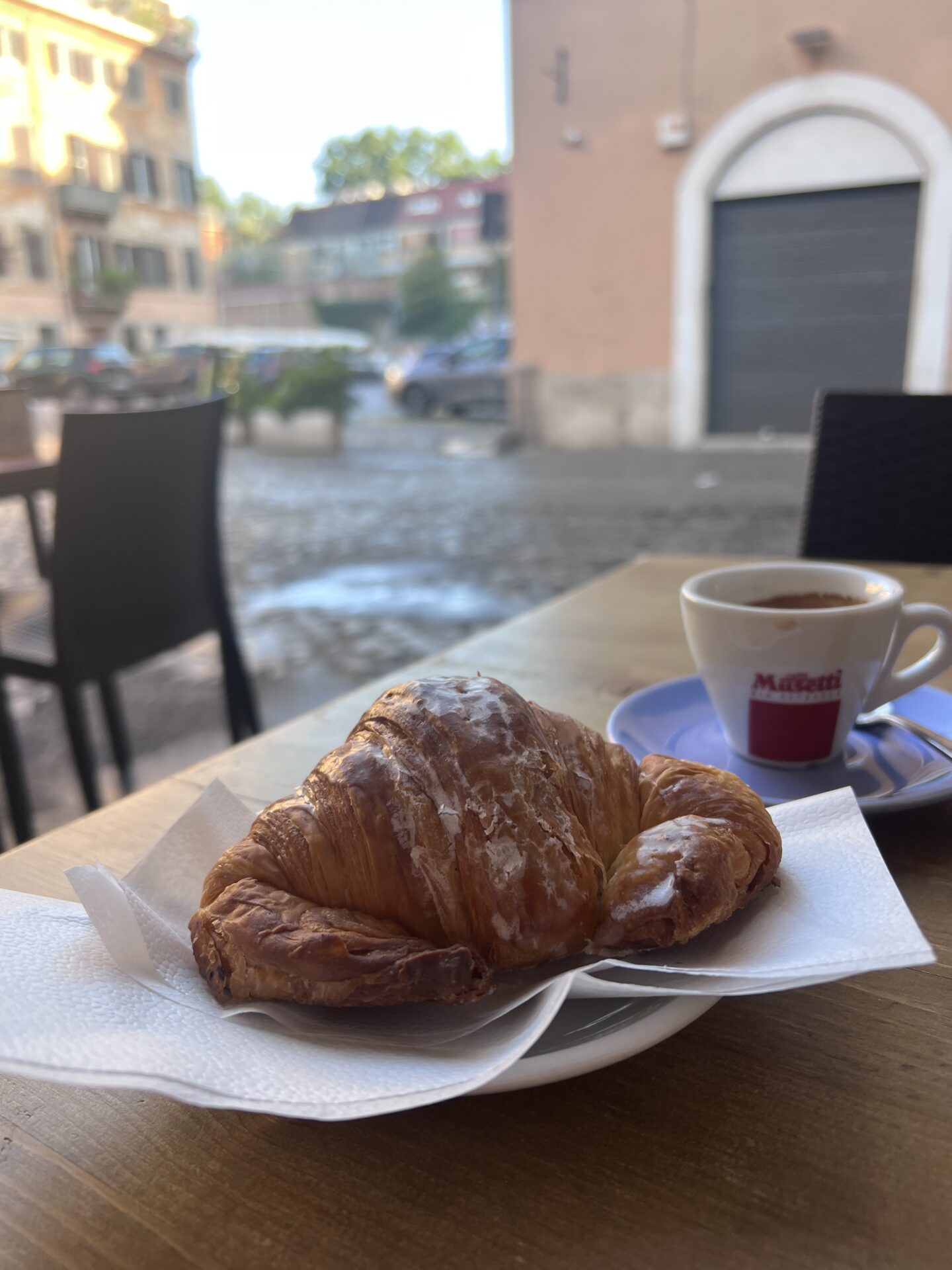
The first thing to know: a bar in Italy isn’t just for cocktails. It’s where locals grab their coffee, a pastry, and sometimes even a light snack throughout the day. A typical morning looks like this: standing at the counter with a cappuccino and cornetto before heading off to work.
As a solo traveller, I actually love this ritual. There’s something freeing about leaning on the counter, surrounded by locals, sipping that first coffee of the day without feeling the need to linger. It’s a perfect way to feel part of the rhythm of the city.
If you want to do as the Italians do, pay at the register first, then hand your receipt to the barista at the counter. If you’d rather sit down, you’ll be charged more, that’s simply how it works because table service is factored into the price.
And remember: no cappuccino after a heavy lunch or dinner. Italians believe all that milk interferes with digestion. After a meal, it’s an espresso, a macchiato (espresso with just a touch of milk), or maybe a tisana (herbal tea). If you want to really blend in, finish with a digestivo like limoncello or amaro.
Dining Out in Italy
Whether it’s a rustic trattoria, a casual osteria, or a more refined ristorante, most menus in Italy follow a structure:
- Antipasti (starters: cured meats, cheeses, fried bites, seafood)
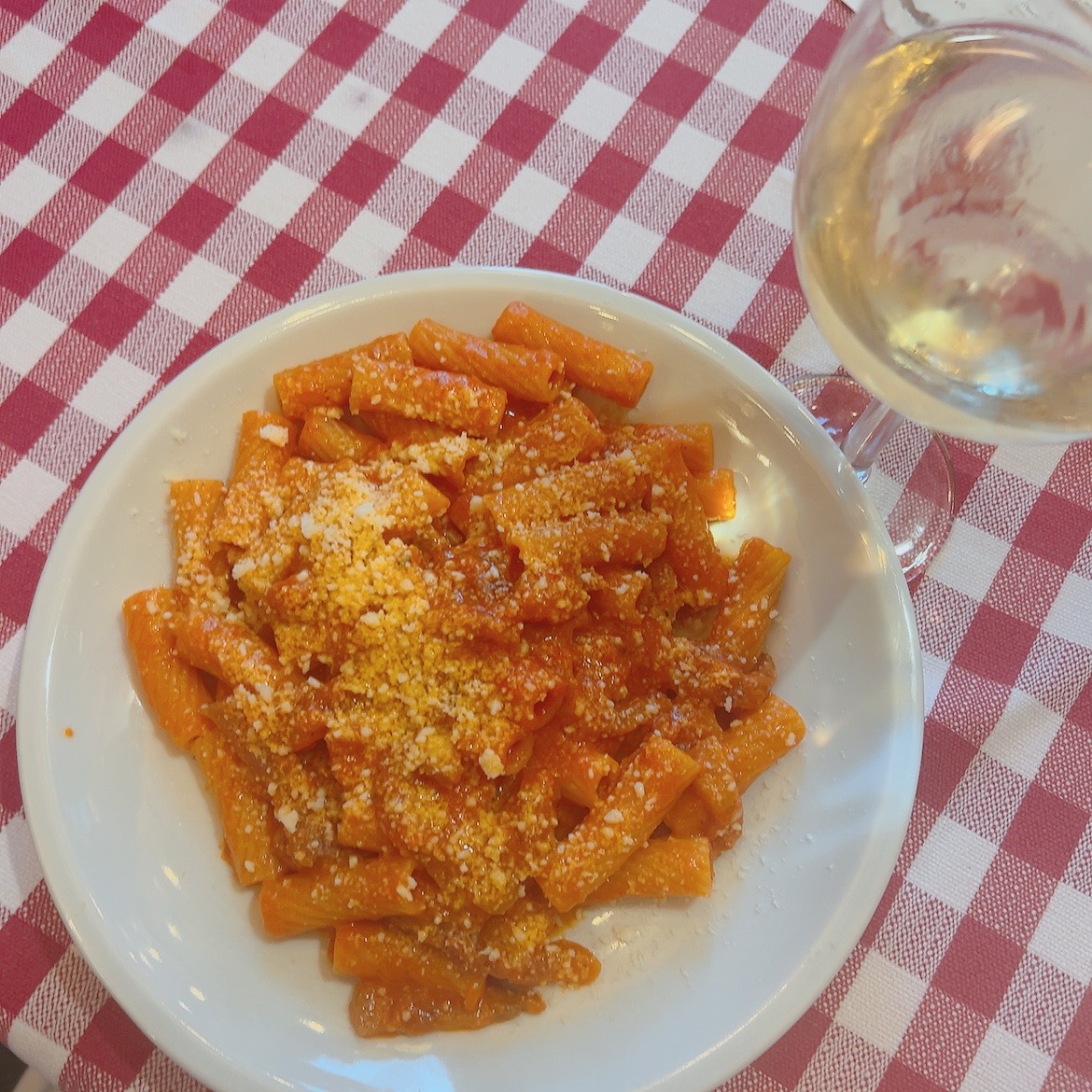
- Primi (pasta or risotto dishes)
- Secondi (main course: usually meat or fish)
- Contorni (side dishes: vegetables or salad)
- Dolci (dessert), followed by coffee or a digestivo
You don’t need to order something from every section, but it’s common to choose at least two or three dishes. For example, I’ll often share an antipasto (if I’m with friends), then order a primo or secondo with a contorno, and (because I can never resist) a dolce to finish.
As a solo diner, my go-to is booking a table at a restaurant with a bar or counter space. It feels less intimidating, and I love chatting with the staff while I eat. In Rome this trip, I’ve booked two restaurants overlooking the Colosseum, and I’ll be sitting at the bar both nights, glass of wine in hand, soaking it all in.
A little insider tip: don’t order a contorno with your pasta, that’s reserved for pairing with your secondo. Italians never eat pasta and salad together.
If you’re dining with others, it’s normal to share antipasti, but everyone should have their own main or pasta dish. Dessert, though? That’s the one course everyone seems happy to share… although once you see the options, you may want your own.
Bread, the Italian Way
Bread in Italy comes with its own rules too. Often you’ll find a small charge (pane e coperto) on your bill for it. Italians might drizzle it with olive oil, but more often than not, it’s used to soak up that last bit of pasta sauce. Don’t expect butter on the table, that’s not the Italian way. And if you don’t want bread at all, just say so, and make sure it’s removed from your bill.
Asking for the Bill
One of the most important things to remember: your server will never rush you. In Italy, meals are meant to be savoured. When you’re ready to leave, simply ask for “il conto, per favore.”
Expect a coperto (cover charge) on the bill, which is different from a tip. If you see servizio incluso, that means service is already included, but tipping in cash is still always appreciated, especially since wages in hospitality can be quite low. I always carry a bit of cash for this reason.
Solo Traveller Survival List for Dining in Italy
If you’re traveling alone, dining in Italy can feel intimidating at first. Here’s my cheat sheet for making it easy, authentic, and fun:
- Book restaurants with bar seating – Perfect for solo diners. You get a front-row view and a chance to chat with staff or watch the action.
- Learn a few Italian phrases – “Un caffè, per favore” or “Il conto, per favore” will go a long way. Locals love when you try.
- Carry cash for tips – Not all restaurants can add a tip to card payments. Small gestures are appreciated.
- Follow the local meal flow – Antipasto, primo, secondo, contorno, dolce. Don’t rush; savour each course.
- Skip cappuccino after lunch or dinner – Stick to espresso or a digestivo. Your stomach (and locals) will thank you.
- Check your bread – Decline if you don’t want it; otherwise, use it to mop up your sauce.
- Share where appropriate – Antipasti can be shared, but pasta and mains are usually individual. Dessert can go either way.
- Engage with staff – Ask what dishes are local or seasonal. They love sharing insider tips.
- Relax and enjoy the experience – Italy is about lingering, tasting, and soaking it all in — even when you’re flying solo.
Dining in Italy is about slowing down and embracing tradition. It’s standing shoulder to shoulder at a coffee bar in the morning, sharing plates of antipasti with friends, or finishing a long meal with a tiny but powerful shot of espresso.
As a solo traveller, I’ve learned that meals don’t have to feel lonely. Sitting at the bar gives you a front-row seat to the action, and ordering like a local is its own kind of adventure. This trip, I’m looking forward to those moments, clinking a glass of wine at sunset overlooking the Colosseum, savouring a plate of pasta without rushing, and reminding myself that in Italy, food isn’t just fuel. It’s an experience to be lingered over and loved.