Alicante is one of Spain's most underrated cities for solo travel — warm, walkable, and genuinely easy to navigate alone. It sits on the Mediterranean coast between Valencia and Murcia, with a beautifully preserved old town, a hilltop castle, some of the best rice dishes in Spain, and a pace of life that makes slowing down feel natural. This guide covers when to visit, where to stay, what to eat and drink, and the experiences worth making time for — written from personal visits.
Alicante doesn't try to impress you — and that is exactly its charm. It's a city that moves at the pace of the sea, where mornings begin with coffee in the shade and afternoons are made for sitting still.
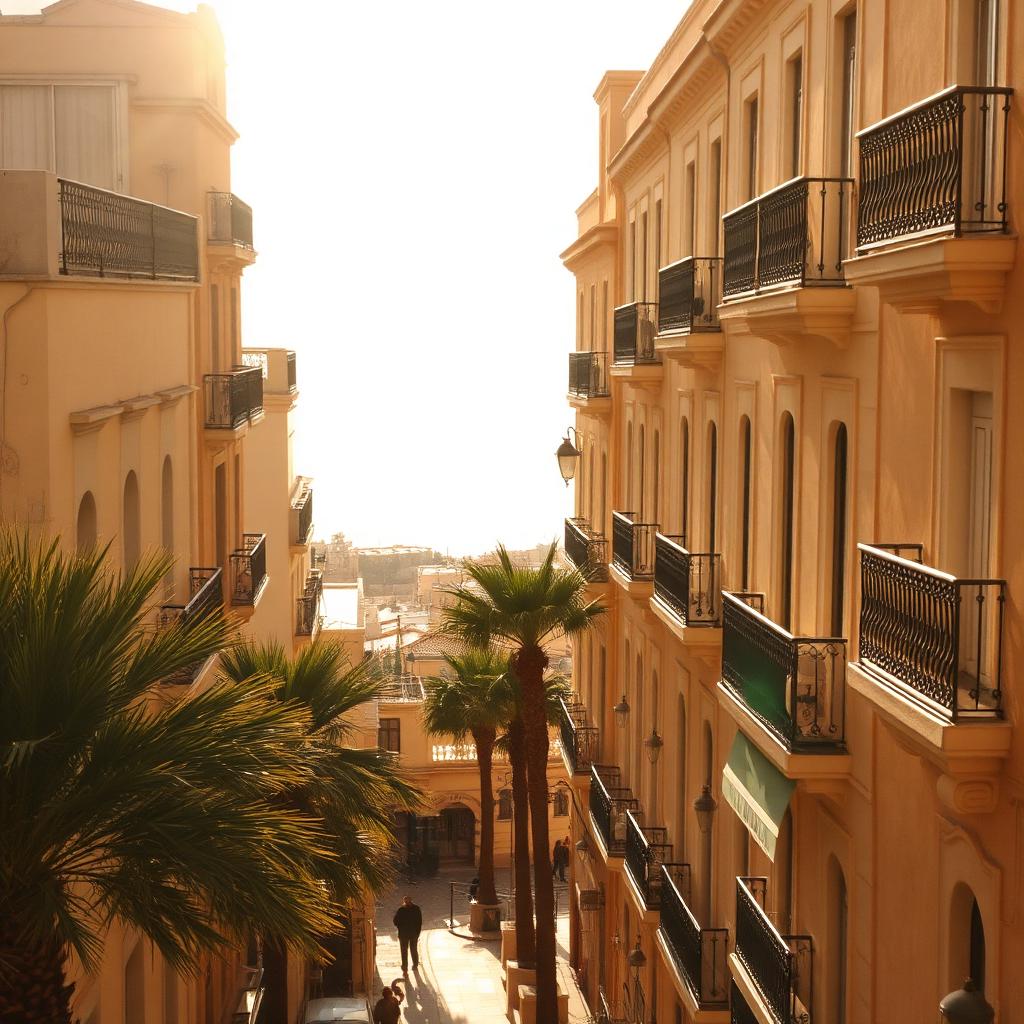
There's something deeply restorative about it. The light is soft and golden, the air carries salt and citrus, and the city seems to gently remind you that there is nowhere you need to be.
It's the kind of place you arrive in tired, and leave feeling like yourself again.
Destination Guide
When to Visit
Alicante is warm almost year-round — but each season carries its own mood.
Spring
Soft warmth, blossoms along the promenade, and terraces that fill slowly. Easily the most romantic season.
Summer
Long, bright days and a city that lives outdoors. Lively, lived-in, and unmistakably Mediterranean.
Autumn
Quieter beaches, warm sea, golden light. This is when locals reclaim the city — and it shows.
Winter
Mild, gentle, and unhurried. Perfect for long walks, slow lunches, and a softer kind of trip.
- Bonfires of San Juan (Hogueras, June)
- Moors & Christians festivals
Destination Guide
Getting There & Around
Alicante–Elche Airport is small, easy, and only twenty minutes from the city — the kind of arrival that sets the tone for the whole trip.
Once you're here, very little is needed:
- The old town and Explanada are best on foot
- The TRAM connects beaches and coastal towns simply
- Taxis are inexpensive and easy to flag
Destination Guide
Where to Stay
Where you stay shapes the rhythm of your time here — choose your mood.
Casco Antiguo (Old Town)
For winding streets, painted houses, and the heart of the city.
Explanada & Marina
For palm-lined promenades and easy access to the sea.
Playa del Postiguet
For mornings that begin with sand under your feet.
Hospes Amérigo
For something quietly elegant in the historic centre.
Destination Guide
Top Experiences
Alicante is small, but it gives you the kinds of moments you remember.
- Santa Bárbara Castle at sunset, looking down over the bay
- A slow walk along the Explanada de España
- Coffee in the Barrio de Santa Cruz before the city wakes
- Swimming at Playa del Postiguet, right beside the old town
- A boat across to Tabarca Island for a long, slow lunch
Destination Guide
Food & Drink
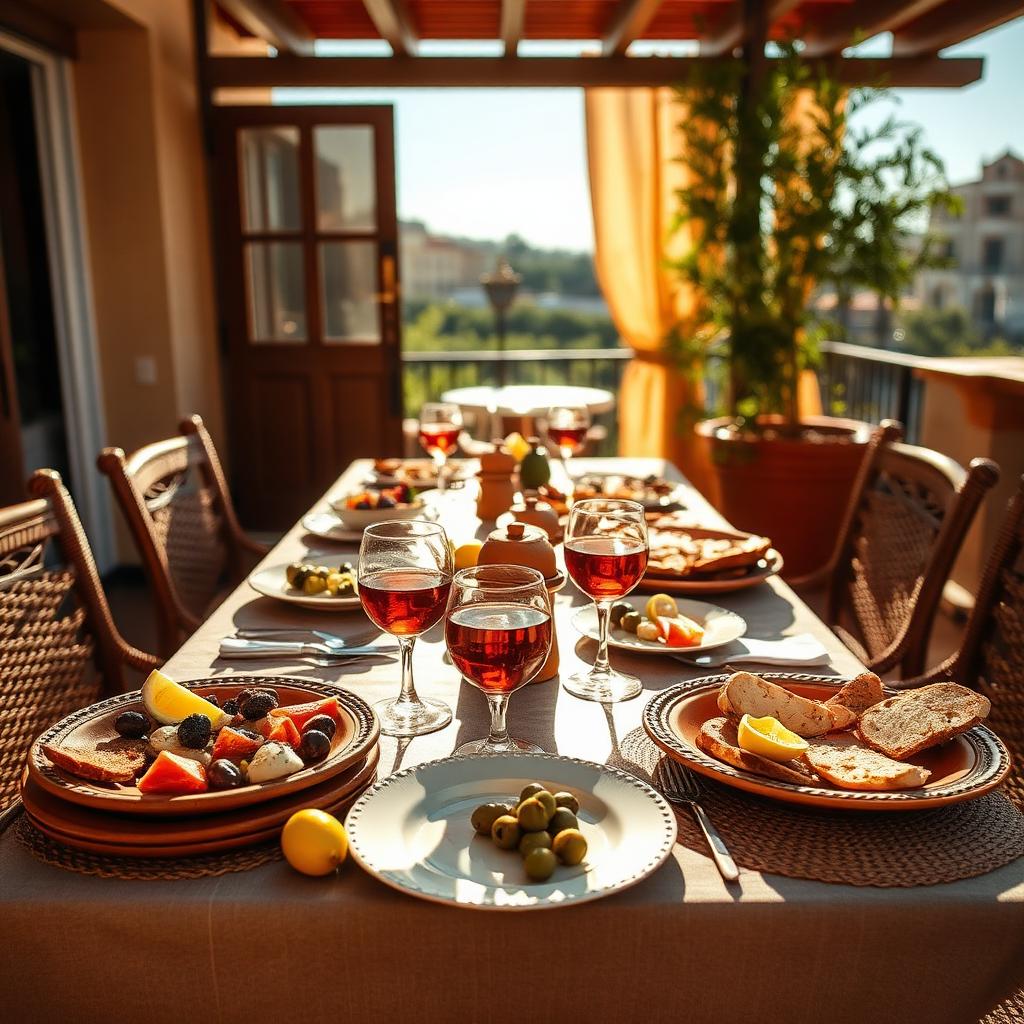
Eating here is unhurried. It's about sitting longer than you planned, and ordering one more thing.
Mornings call for a tostada with tomato and olive oil, and a café con leche taken slowly.
Midday is made for arroz — Alicante is one of Spain's great rice cities, and lunch will often involve a pan, a glass of wine, and a few hours.
Evenings drift into tapas, vermouth, and the small bars that make Spain feel like home.
A few things to seek out —
- Arroz a banda or arroz negro
- Gambas rojas de Dénia
- Local vermouth on ice with an olive
- Turrón from a centuries-old confitería
Destination Guide
Neighbourhoods
Each pocket of Alicante has its own particular feel.
Barrio de Santa Cruz
Whitewashed houses, blue flowerpots, steep little streets up to the castle.
El Carmen
Lively, lived-in, full of small bars and late-night plazas.
Centro
Elegant boulevards, modernist façades, and the city's smartest shopping.
Playa de San Juan
A long sweep of golden sand, slightly removed from the city centre.
Destination Guide
Shopping
Shopping in Alicante is small-scale and personal — the kind you stumble into rather than plan.
- Mercado Central for produce, jamón, and Spanish pantry treasures
- Calle Castaños and Avenida de Maisonnave for fashion and design
- Old-town boutiques for ceramics, espadrilles, and local makers
Destination Guide
Sample Itinerary
One Day
Coffee in the old town, a climb up to Santa Bárbara, lunch by the water, and a long evening on the Explanada.
Three Days
Add a slow morning at Postiguet, an afternoon in Santa Cruz, and a sunset glass of wine somewhere quiet.
Five Days
Step beyond the city — Tabarca, Altea, or a vineyard day in the hills behind the coast.
Destination Guide
Day Trips
Some of Alicante's best moments happen just outside the city:
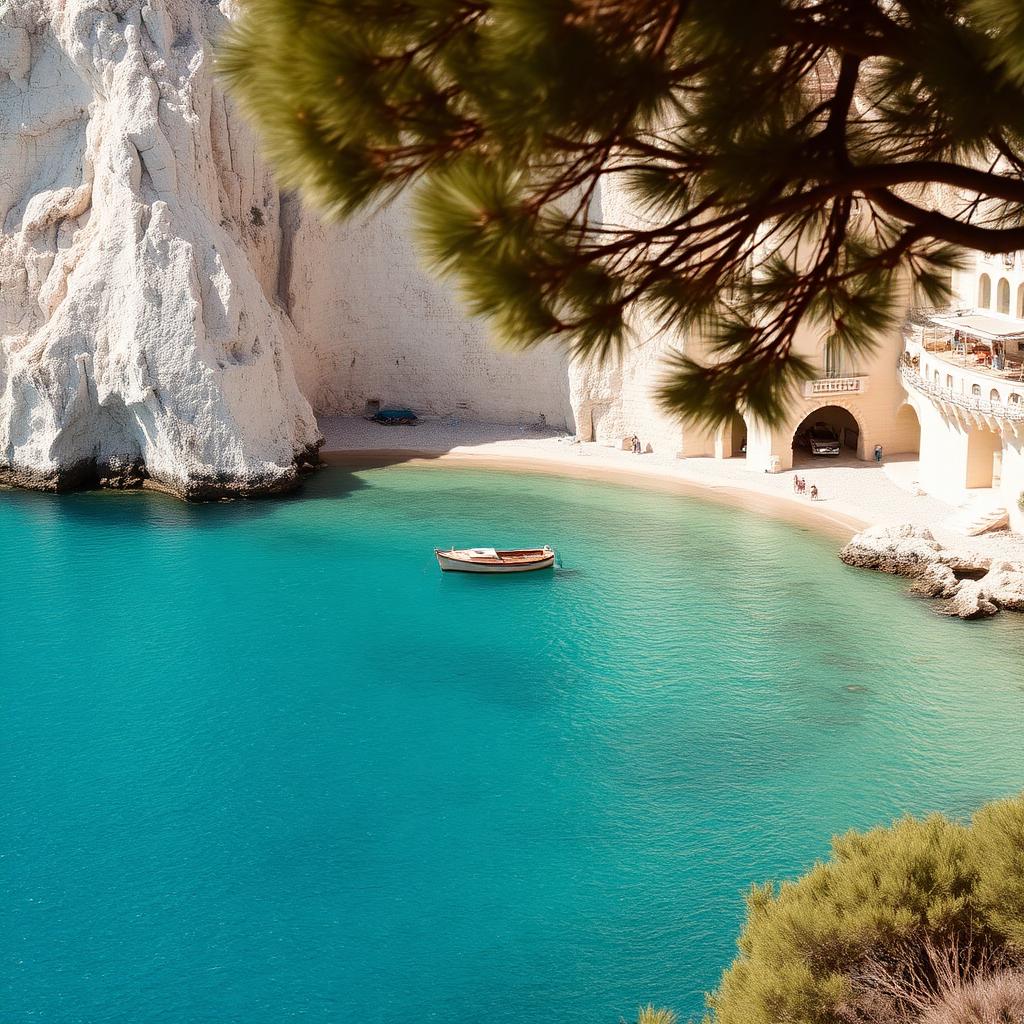
- Tabarca Island — sleepy, sun-bleached, perfect for a long lunch
- Altea — whitewashed, artistic, with a postcard church above the sea
- Guadalest — a mountain village balanced on a cliff
- Elche — palm groves older than the city itself
Destination Guide
Travel Tips
A few small things that make Alicante easier:
- Spanish meal times are later — lunch around 2, dinner around 9
- Many shops still close in the afternoon for siesta
- Cash is useful in smaller bars and markets
- Sun protection matters all year — the light here is generous
Destination Guide
Getting Around
The city itself is walkable, and the coast is best explored by the TRAM line that runs north toward Benidorm and Dénia — slow, scenic, and full of small stops worth getting off at.
Destination Guide
Signature Moments
These are the moments Alicante quietly gives you.
The first glass of vermouth on a sunlit terrace.
Sea air through an open shutter at dawn.
The walk down from Santa Bárbara as the city turns gold.
Standing at the edge of the marina, with nowhere to be.
It simply lets you slow down — and that, somehow, is everything.