Hiroshima is a city that holds its history with extraordinary grace. What could have remained a place defined by tragedy has instead become one of the most hopeful, generous, and welcoming cities in Japan — a riverside city of wide green parks, gentle trams, and warm-hearted locals. For solo travellers it is profoundly moving and remarkably easy: compact, calm, and full of meaning. This guide covers when to visit, where to stay, what to eat, and the experiences worth making time for — written from personal visits.
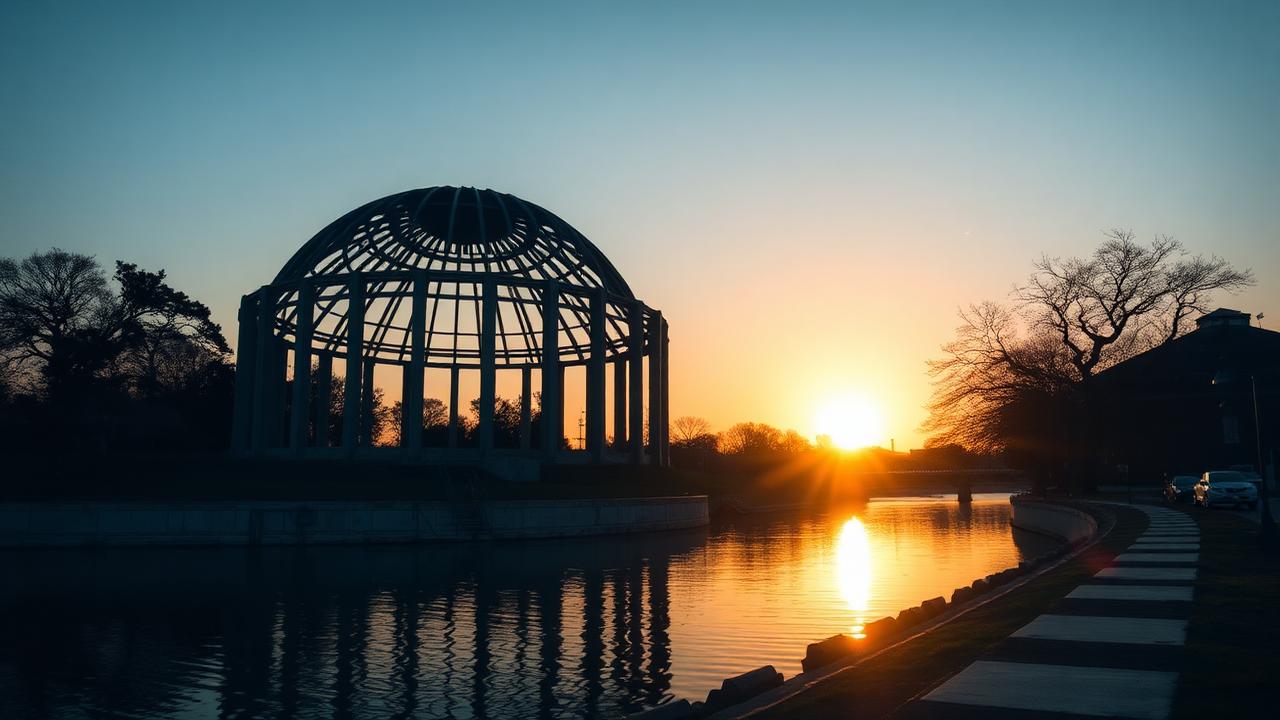
Hiroshima sits on a delta of six rivers, its centre laced with water and greenery. The Peace Memorial Park lies at its heart — a place of quiet reflection that every visitor should give unhurried time.
But Hiroshima is far more than its past. It is a lively, modern city with a famously friendly spirit, a beloved baseball team, and a food culture all its own.
It is also wonderfully manageable alone: small enough to cross by tram in minutes, safe at all hours, and the gateway to one of Japan's most beautiful islands, Miyajima.
Destination Guide
When to Visit
Hiroshima rewards visitors year-round, but spring and autumn bring the kindest weather and the loveliest light.
Spring (Mar–May)
Cherry blossom along the rivers and in the Peace Park, with mild, gentle days. One of the most beautiful — and busiest — times to visit.
Summer (Jun–Aug)
Hot and humid, marked by the solemn Peace Memorial Ceremony on 6 August and the moving evening lantern floating on the rivers.
Autumn (Sep–Nov)
Crisp air and fiery foliage, especially on Miyajima's Momijidani (Maple Valley). Comfortable and clear — an ideal time to walk.
Winter (Dec–Feb)
Cold but rarely snowy, with bright illuminations along Peace Boulevard. Quieter and cheaper, with steaming bowls and griddles to warm you.
- Cherry blossom (late March–early April)
- Peace Memorial Ceremony & lantern floating (6 August)
- Autumn colour on Miyajima (mid–late November)
Destination Guide
Getting There & Around
Most travellers arrive by Shinkansen at Hiroshima Station — just under four hours from Tokyo and around 90 minutes from Osaka — or fly into Hiroshima Airport.
Once you're here, getting around is simple:
- The Shinkansen links Hiroshima to Osaka in around 90 minutes and Tokyo in under four hours
- Hiroshima's vintage tram network (the 'Hiroden') reaches almost everywhere you'll want to go
- An IC card (ICOCA, Suica, PASMO) taps you on and off trams and trains
- A tram and ferry combination takes you all the way to Miyajima
Destination Guide
Where to Stay
Your base sets the tone — Hiroshima's options range from convenient downtown hotels to a serene island night.
Kamiyacho & Hatchobori
The downtown heart — central for shopping, dining, and a short tram ride to the Peace Park. The most convenient base.
Near Hiroshima Station
For seamless Shinkansen access and day trips — practical if you're hopping between cities.
Peace Park area
For waking beside the rivers and parks, with the memorials and museum on your doorstep.
Miyajima Island
For a magical overnight — quiet lanes, free-roaming deer, and the floating torii after the day-trippers leave.
Destination Guide
Top Experiences
Hiroshima's best moments move between deep reflection and simple beauty.
- The Peace Memorial Park, the A-Bomb Dome, and the powerful Peace Memorial Museum
- Ringing the Peace Bell and walking among the paper cranes at the Children's Peace Monument
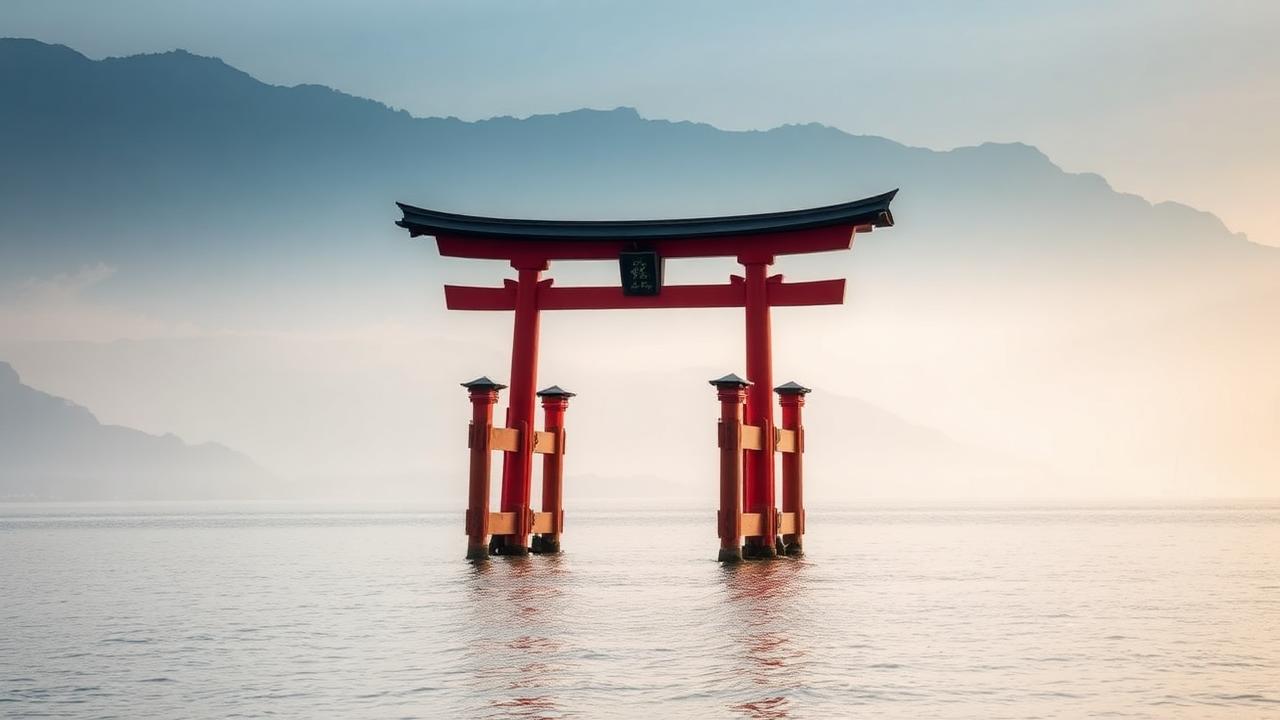
- The floating torii gate of Itsukushima Shrine on Miyajima
- The serene Shukkeien Garden, a miniature landscape of ponds and bridges
- Hiroshima Castle, rebuilt and surrounded by its quiet moat
- A baseball night with the beloved Hiroshima Carp, if the season is on
Destination Guide
Food & Drink
Hiroshima has a food culture all its own — generous, layered, and made for eating alone at a counter.
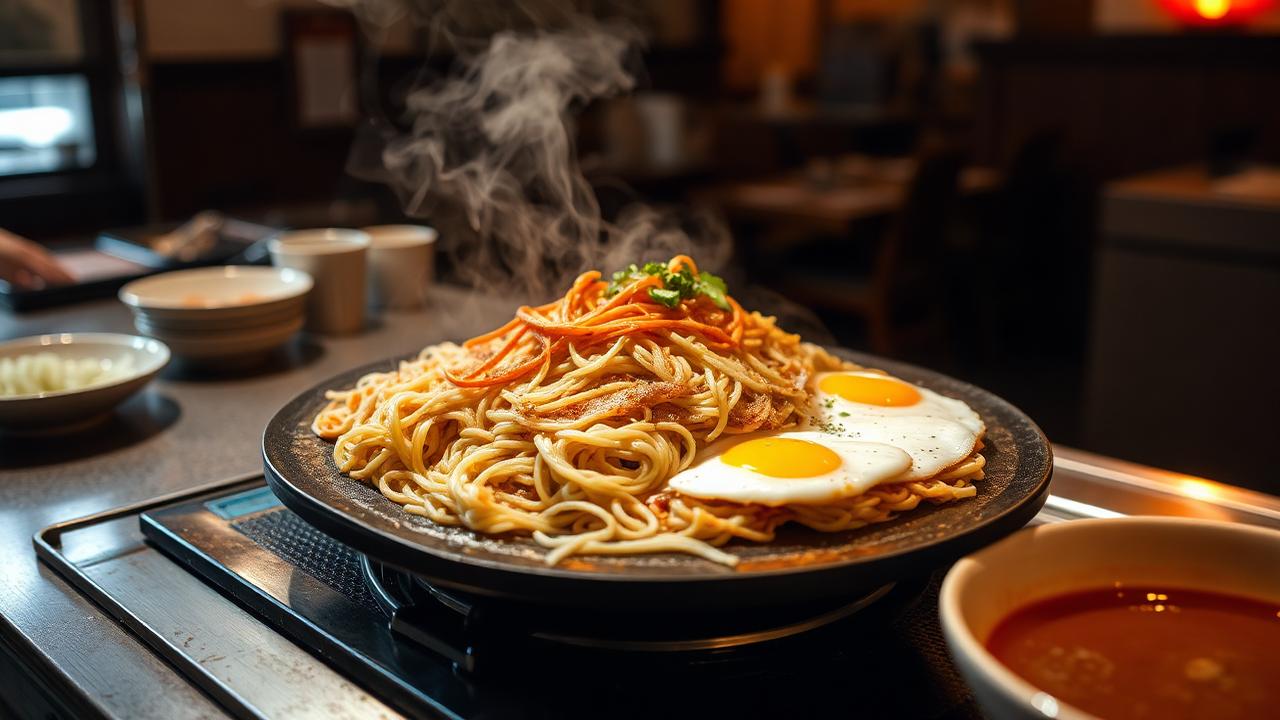
The city's signature dish is okonomiyaki, but the Hiroshima style is its own art — layered rather than mixed, built up with noodles, cabbage, and egg on a hot griddle.
Lunch is where solo travellers thrive — a stool at a griddle counter, watching your okonomiyaki assembled before you.
The coast and Inland Sea also bring superb oysters, especially in the cooler months, grilled fresh at stalls and counters.
A few things to seek out —
- Hiroshima-style okonomiyaki — layered with soba or udon noodles
- Okonomimura, a building of stacked okonomiyaki counters
- Grilled and fried oysters from the Inland Sea (best in winter)
- Tsukemen — cold dipping noodles with a fiery sauce, a local favourite
- Momiji manju — maple-leaf-shaped cakes, the classic Miyajima sweet
Destination Guide
Neighbourhoods
Each part of Hiroshima has its own distinct character.
Peace Memorial Park
The green, contemplative heart of the city, threaded by rivers and lined with memorials.
Hondori & Kamiyacho
The lively downtown — a long covered shopping arcade, department stores, and restaurants.
Nagarekawa
The nightlife district — izakayas, bars, and griddle counters glowing late.
Miyajima
The sacred island across the bay — shrines, forested peaks, and tame deer in the lanes.
Destination Guide
Shopping
Hiroshima shopping is easy and walkable, centred on the covered arcades downtown.
- Fashion and finds along the Hondori covered shopping arcade
- Department stores and basement food halls around Hatchobori
- Local crafts and Kumano calligraphy brushes
- Miyajima souvenirs — momiji manju, rice scoops (shamoji), and wooden crafts
Destination Guide
Itinerary Highlights
A curated selection of the best things to do in Hiroshima — with time estimates to help you plan a relaxed day.
Peace Memorial Park & Museum
Give this unhurried, reflective morning the time it deserves — the A-Bomb Dome, the monuments, and the deeply moving museum. (~3–4 hours)
Okonomiyaki at a Griddle Counter
Pull up a stool and watch your Hiroshima-style okonomiyaki built layer by layer — noodles, cabbage, egg, and sauce. (~1.5 hours)
Miyajima Island & Itsukushima Shrine
A half-day escape across the bay — the floating torii gate, sacred forest paths, and tame deer in the quiet lanes. (~4–5 hours)
Shukkeien Garden Walk
A miniature landscape of ponds, bridges, and tea houses just ten minutes from the station — ideal for a slow, contemplative hour. (~1 hour)
Evening Riverside Stroll
Walk the riverbanks near the Peace Park as the light fades — the bridges glow and the city feels calm and generous. (~1 hour)
Destination Guide
Day-by-Day Itinerary
A practical plan that strings Hiroshima's best moments into a gentle rhythm — morning reflection, afternoon exploration, and evenings that unfold slowly.
Day One: The City of Peace & Flavour
Morning — Begin at the Peace Memorial Park and Museum. Walk slowly through the monuments, ring the Peace Bell, and spend unhurried time in the deeply moving museum. (~3–4 hours)
Afternoon — Make your way to Shukkeien Garden, a miniature landscape of ponds and bridges ten minutes from the station. Then continue to Hiroshima Castle, rebuilt and surrounded by its quiet moat. (~2 hours)
Evening — Pull up a stool at a griddle counter and watch your Hiroshima-style okonomiyaki built layer by layer — noodles, cabbage, egg, and sauce. (~1.5 hours)
Day Two: Sacred Island & Riverside Light
Morning — Take the tram and ferry to Miyajima Island. Spend the morning with the floating torii gate, Itsukushima Shrine, and the tame deer wandering the quiet lanes. If the mood takes you, ride the ropeway up Mount Misen. (~4–5 hours)
Afternoon — Return to the city and wander the Hondori covered shopping arcade or explore the downtown Kamiyacho district. (~1–2 hours)
Evening — Walk the riverbanks near the Peace Park as the light fades — the bridges glow and the city feels calm and generous. End with a quiet dinner or a stroll through Nagarekawa's glowing griddle counters. (~1.5 hours)
Destination Guide
Sample Itinerary
One Day
The Peace Park and Museum in the morning, okonomiyaki for lunch, then Shukkeien Garden and Hiroshima Castle in the afternoon.
Two Days
Add a full day on Miyajima — the floating torii, Itsukushima Shrine, the ropeway up Mount Misen, and an overnight if you can.
Three Days
Add a day trip — the art island of Naoshima, the rabbit island of Okunoshima, or the temple town of Onomichi.
Destination Guide
Day Trips
Hiroshima is a fine base for the Inland Sea region:
- Miyajima — the floating torii, sacred forests, and Mount Misen, 45 minutes away
- Onomichi — a hillside temple town and the start of the Shimanami Kaido cycle route
- Okunoshima — the famous 'rabbit island', a gentle ferry ride away
- Iwakuni — the elegant five-arched Kintai Bridge
Destination Guide
Travel Tips
A few small things that make Hiroshima easier:
- Give the Peace Museum unhurried time — it is intense but essential
- Check the Miyajima tide times so you see the torii both floating and walkable
- An IC card covers trams, trains, and the ferry; tipping isn't expected
- Carry some cash — many okonomiyaki counters are cash-only
Destination Guide
Getting Around
Hiroshima's beloved vintage trams make the whole city reachable, trundling past the Peace Park, downtown, and out towards the Miyajima ferry. But the centre is also a pleasure to walk — the riverside paths and parks are best discovered slowly, on foot.
Destination Guide
Signature Moments
These are the moments Hiroshima gives you.
The hush of the Peace Park as the paper cranes flutter.
The first sight of the floating torii rising from the bay.
A griddle counter assembling okonomiyaki, layer by layer.
A deer ambling past as the day-trippers' ferries pull away.
And then, gently, it shows you how a city chooses hope — one river, one shrine, one warm welcome at a time.