Spain is one of the best countries in the world for solo travel — particularly for women who love food, wine, and cities with a real sense of life. The culture of eating and drinking alone is completely natural here: you sit at a bar, you order a glass of something local, and nobody thinks twice. This guide covers the best regions and cities for solo travellers, how to get around, what to eat and drink, and the experiences that make Spain worth going back to — written from personal trips across the country.
Spain has a way of pulling you in slowly. It isn't a country to be rushed through — it's one to be lived, lunch by lunch, plaza by plaza.
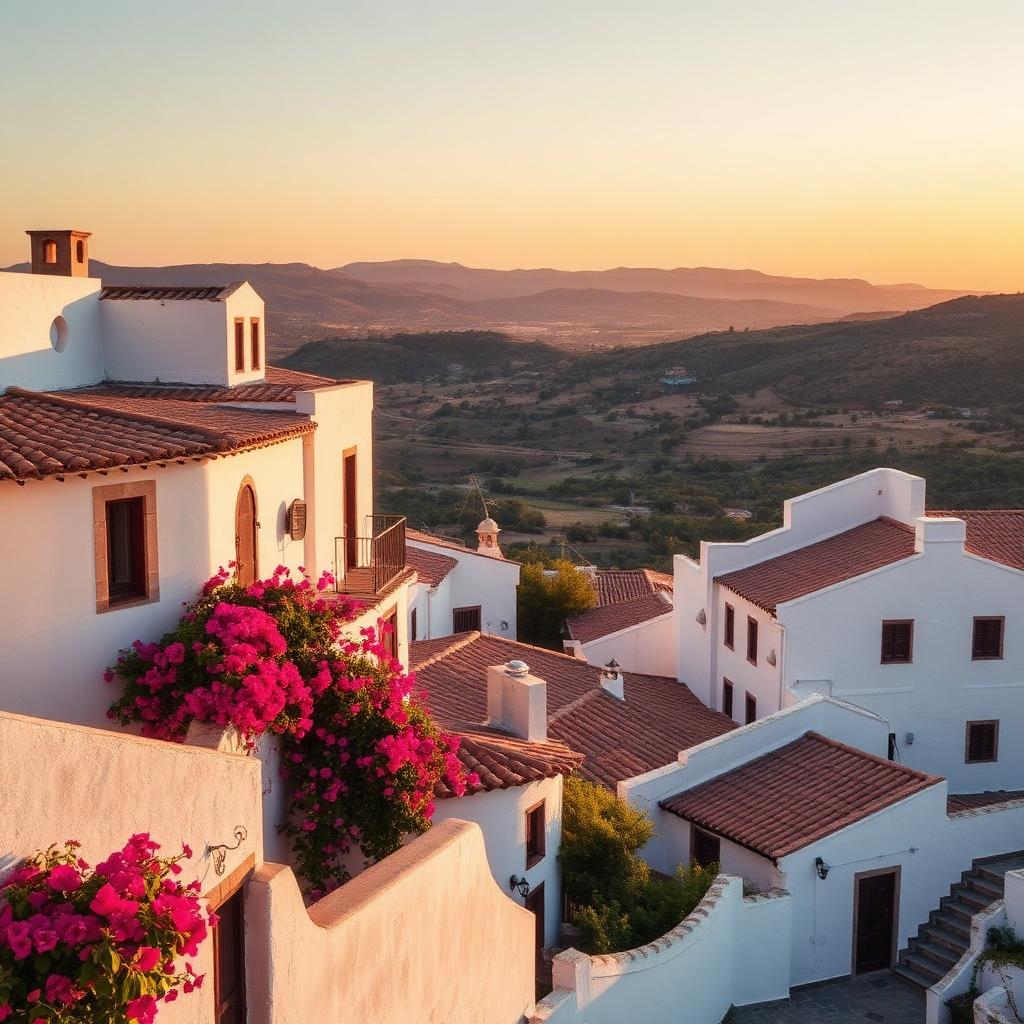
Every region feels like its own world. The wine country in the north, the whitewashed villages of the south, the long Mediterranean coast in the east, the islands suspended somewhere between Europe and Africa.
What ties it all together is rhythm. The slow mornings. The long lunches. The unhurried evenings that stretch far past midnight. Spain doesn't run on a clock — and that's exactly the point.
Destination Guide
When to Visit
Spain is generous all year, but each season has its own colour.
Spring
Warm days, blossoming patios, and Andalusia at its most romantic. Easily the most beautiful season.
Summer
Long, golden, and lively — best spent in the north or by the sea. The cities slow down; the coast comes alive.
Autumn
Harvest season in the wine regions, soft light, fewer crowds, warm afternoons. Quietly the best time of year.
Winter
Madrid sparkles, Andalusia stays mild, and the country feels properly local again.
- Semana Santa (Easter Week)
- La Tomatina
- Feria de Sevilla
Destination Guide
Getting There & Around
Spain is well-connected, easy to move through, and surprisingly quick from city to city.
The basics:
- Fly into Madrid or Barcelona for the widest international links
- AVE high-speed trains connect most major cities in a few hours
- Domestic flights make the islands and the far south simple
- A rental car is wonderful for Andalusia, the Basque Country, and wine country
Destination Guide
Where to Go
Spain isn't one country — it's many. Each region has its own pace, palette, and personality.
Madrid
The cultural heart — galleries, late dinners, grand boulevards.
Barcelona
Architecture, sea, and that unmistakable Catalan energy.
Andalusia (Seville, Granada, Córdoba)
Whitewashed streets, Moorish palaces, deep flamenco soul.
San Sebastián & the Basque Country
Pintxos, green coastline, and some of the best food in Europe.
Alicante & the Costa Blanca
Mediterranean light, slow seaside lunches, and easy days.
Mallorca & Ibiza
Two very different islands, both quietly stunning out of season.
Destination Guide
Top Experiences
There are the famous things — and then there are the ones that stay with you.
- The Alhambra in Granada, just before sunset
- Tapas-hopping through San Sebastián's old town
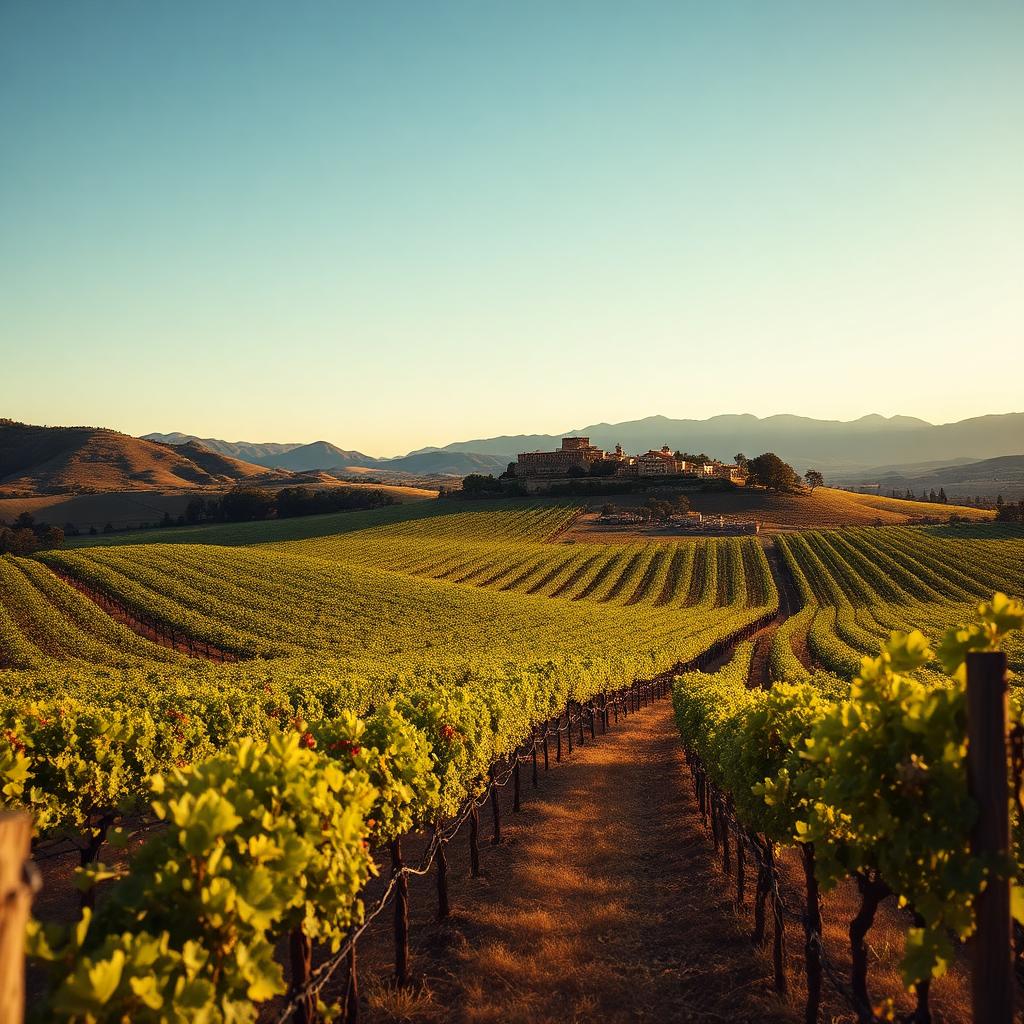
- A long lunch at a bodega in Rioja
- Watching flamenco in a small tablao in Seville
- A slow morning at a Madrid mercado
- Sunset over the Mediterranean from a hilltop village
Destination Guide
Food & Drink
Eating in Spain isn't an activity — it's the structure of the day.
Mornings begin lightly — coffee, a tostada, maybe a pastry. The real meal is lunch, which arrives late and stays long.
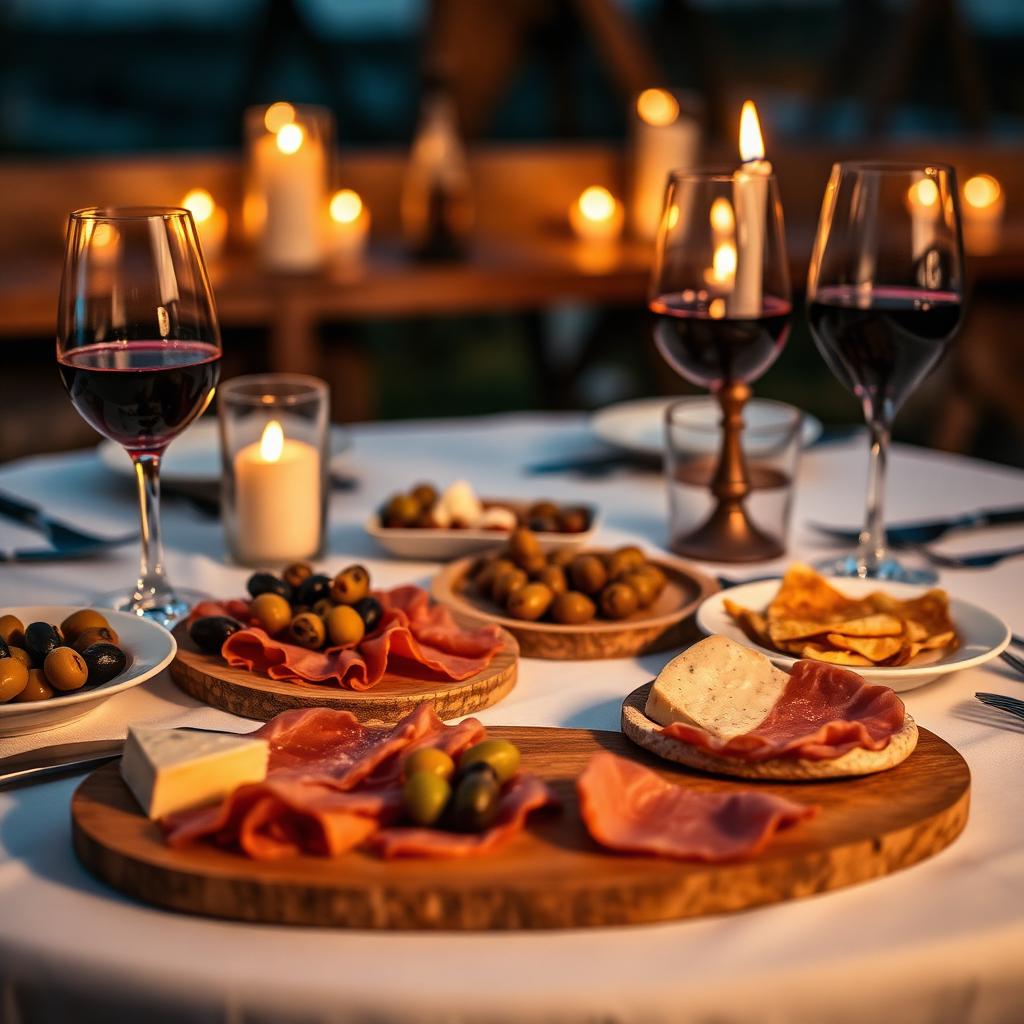
Evenings are for tapas, pintxos, vermouth, wine. A drink at one bar, a small plate at the next, slowly walking, slowly tasting.
Dinner — when it happens — happens late. And it's never about rushing.
Spain is also one of the easiest countries in the world for solo dining — bar culture means a single seat is always available, and eating alone at a counter is completely unremarkable.
A few things worth seeking —
- Jamón ibérico de bellota
- Paella valenciana, where it was born
- Pintxos in San Sebastián
- Sherry in Jerez
- Wine from Rioja, Ribera del Duero, and Priorat
Destination Guide
Regions to Know
A quick way to think about where you might want to go.
The North
Green, cool, food-obsessed. The Basque Country, Galicia, Asturias.
The Centre
Madrid, Castilla, vineyards, plains, and proud history.
The South
Andalusia — sun, white villages, Moorish heritage, and flamenco.
The East
Catalonia, Valencia, the Costa Blanca — sea, citrus, rice.
The Islands
Mallorca, Ibiza, Menorca, the Canaries — each its own world.
Destination Guide
Shopping
Spain is best shopped slowly, in small places, with no real list.
- Leather goods and espadrilles from family-run makers
- Ceramics from Andalusia and Valencia
- Olive oil, jamón, and tinned seafood from local markets
- Wine straight from the bodega
Destination Guide
Sample Itinerary
One Week
Madrid and Andalusia — the cultural heart, then south for white villages and warm evenings.
Two Weeks
Add Barcelona and the Costa Brava, or swap south for the Basque Country and Rioja.
Three Weeks
Now you're really travelling Spain — north, centre, south, and a few days on an island to end it.
Destination Guide
Beyond the Cities
Some of Spain's most beautiful moments happen between the dots on the map:
- The white villages of Andalusia
- Rioja and Ribera del Duero wine country
- The Picos de Europa in the north
- The cliffs and coves of Menorca
- Tiny coastal towns along the Costa Brava
Destination Guide
Travel Tips
Small things that make Spain easier — and better:
- Eat on Spanish time — lunch around 2, dinner around 9 or later
- Many shops close from around 2 to 5 for siesta
- Learn a few Spanish phrases — it's warmly received
- Tipping is appreciated but modest — round up, or leave a euro or two
- Sundays are quiet — plan museums, walks, and long lunches
Destination Guide
Getting Around
The AVE network makes Spain feel small in the best way — Madrid to Seville in two and a half hours, Madrid to Barcelona in three. Buses fill in beautifully, and a rental car is the gift that unlocks the countryside.
Once you arrive in Barcelona, here's how to get around Barcelona.
Destination Guide
Signature Moments
These are the moments Spain quietly hands you.
A glass of sherry in a tiny Andalusian bar.
The first plate of pintxos in San Sebastián.
Walking into a sunlit plaza you didn't know existed.
An evening that simply refuses to end.
It's one you fall into — slowly, gladly, and entirely on its terms.