
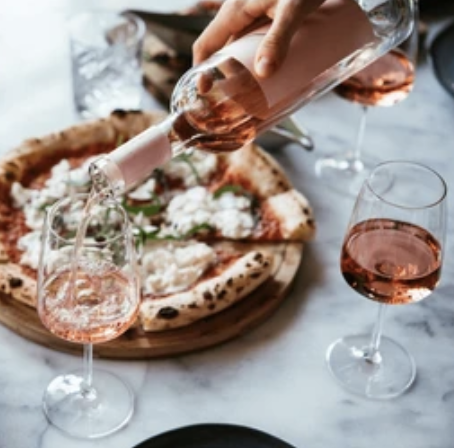
There’s nothing quite like the magic of the perfect food and wine pairing. When done right, a wine doesn’t just complement your meal, it elevates it. The right sip can highlight flavours, soften strong notes and even transform a simple dish into something unforgettable.
But if you’re just starting your wine journey, food pairing can feel intimidating. Don’t worry, I’ve created this guide to help you master the basics. And if you want an easy reference to keep in your kitchen or dining space, I have a Food & Wine Pairing Poster you can purchase here for quick inspiration.
Why Food and Wine Pairing Matters
Food and wine pairing is all about balance. A wine should complement the flavours on your plate, not fight them. The goal is harmony. Wine can cut through richness, highlight sweetness, or enhance spice.
Think of it like this:
- Acidity in wine balances fatty or oily foods.
- Sweet wines soften spicy dishes or pair beautifully with desserts.
- Tannins in red wine cut through rich proteins like steak.
Once you understand these basic rules, pairing becomes second nature.
The Main Food and Wine Pairing Categories
Here’s a simple breakdown of classic pairings:
1. Sparkling Wines (Champagne, Prosecco, Cava)
- Best with: Hard cheese, soft cheese, rich seafood (like oysters), vegetables, fried foods.
- Why it works: The bubbles cleanse the palate and cut through fat, making sparkling wines surprisingly versatile.
2. White Wines
- Dry Whites (Sauvignon Blanc, Pinot Grigio): Pair with fish, chicken, fresh vegetables.
- Rich Whites (Chardonnay, Viognier): Perfect for creamy pasta, roasted poultry, or lobster.
- Sweet Whites (Riesling, Moscato): Match beautifully with spicy food (Thai, Indian) or fruity desserts.
3. Rosé Wines
- Best with: Fruits, vegetables, light salads, soft cheeses.
- Why it works: Rosé bridges the gap between red and white wines, making it a flexible partner for summer dishes.
4. Light Red Wines (Pinot Noir, Grenache)
- Best with: Chicken, roasted vegetables, cured meats.
- Why it works: These reds are low in tannins, which makes them food-friendly and adaptable.
5. Bold Red Wines (Cabernet Sauvignon, Shiraz, Malbec)
- Best with: Red meat, aged cheese, rich stews.
- Why it works: The tannins balance fatty cuts of meat and enhance umami flavours.
6. Dessert Wines (Port, Sauternes, Ice Wine)
- Best with: Chocolate, sweets, blue cheese.
- Why it works: Sweetness complements sugar-rich desserts or balances salty cheeses.
Quick Tips for Perfect Pairings
- Match intensity: Light wines with light dishes, bold wines with rich dishes.
- Balance flavours: Acidic wines with fatty foods, sweet wines with spice.
- Experiment: The “rules” are guidelines, but your personal taste always comes first.
Your Easy Reference: Food & Wine Pairing Poster
To make pairing effortless, see our Food & Wine Pairing Poster It shows at a glance:
- Which wines pair with which foods
- Serving temperatures
- Calorie ranges & alcohol by volume
- How long wines last once opened
👉 Grab your Food & Wine Pairing Poster here and keep it in your kitchen, bar, or wine cellar. It’s the perfect quick reference for dinner parties or casual nights in.
Final Sip
Food and wine pairing isn’t about memorising complicated rules, it’s about making your meals more enjoyable. With just a few basic principles, you’ll be pairing like a pro in no time.
So next time you open a bottle, think about what’s on your plate and let the wine bring it to life.
Cheers,
Nicole