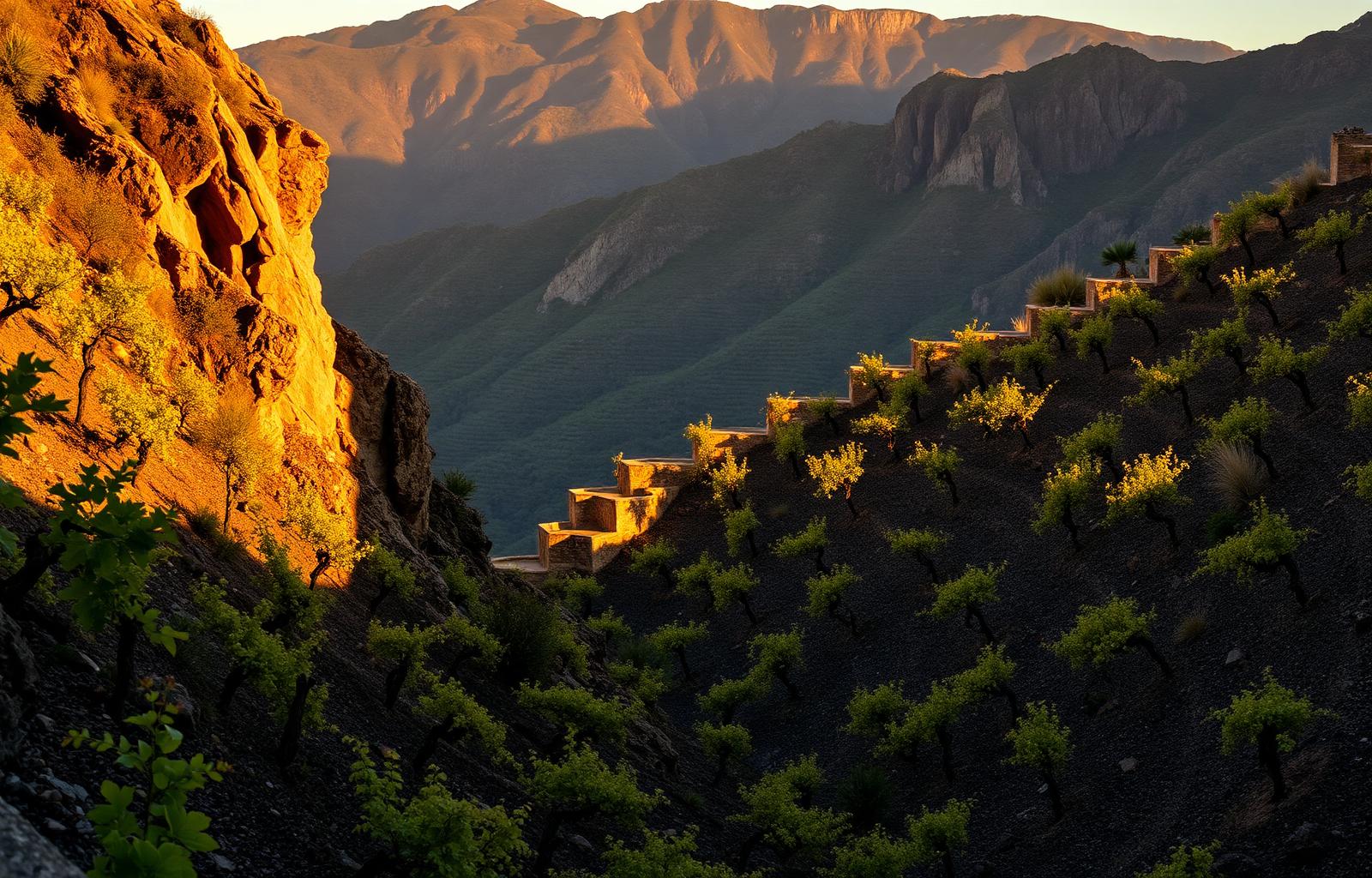
Steep terraced vineyards of ancient Garnacha vines on dark llicorella slate above the Montsant mountains in Priorat, Catalonia, at golden hour
Spain Wine Guide

Spain · Wine Route

Barcelona to Priorat: Garnacha, Terraces & Big Reds

A solo-friendly guide to llicorella terroir, steep terraced vineyards, the pioneering cellar doors of Priorat, and the natural-wine bars of Barcelona.

  • Solo-Friendly
  • Big Reds
  • Garnacha
  • DOQ Terroir

There is a stark, almost brutal beauty to Priorat. Located just two hours southwest of Barcelona, this is not a region of gentle, rolling hills or manicured châteaux. It is a rugged, mountainous landscape where ancient, gnarled vines cling to impossibly steep terraces. The soil here sparkles black in the sun, and the wines it produces are some of the most powerful, concentrated, and highly sought-after in the world.

For a long time, Priorat was a forgotten, impoverished region. It wasn't until the late 1980s that a group of visionary winemakers realised the extraordinary potential of these ancient Garnacha (Grenache) and Cariñena (Carignan) vines. Today, Priorat is one of only two wine regions in Spain to hold the prestigious DOCa (or DOQ in Catalan) classification — the highest tier of Spanish wine quality. The other is Rioja.

For the solo traveller, a trip from the bustling tapas bars of Barcelona into the silent, dramatic hills of Priorat is a study in contrasts. This is my guide to navigating the steep terraces, understanding the soil, and drinking the biggest reds in Spain.

Base

Barcelona for a night, then Falset — the practical capital of the Priorat county, two hours southwest

Getting around

Train from Barcelona Sants to Falset, but hire a car or a private driver for the steep mountain roads to Gratallops, Poboleda and Torroja

When to go

Late spring or September–October for harvest energy and cooler tasting days in the terraces

Best for

Solo wine travel, big Garnacha reds, dramatic terraces & Catalan tapas

Take It With You

Save this route as a PDF

Open a clean, print-ready version of this Barcelona-to-Priorat wine route — save it as a PDF or print it for the trip. Every base, cellar door and tasting table travels with it.

Before You Go

Understanding Llicorella & the Terroir

You cannot understand Priorat wine without understanding the dirt. The soil here is called llicorella — a dark brown, copper and black slate mixed with sparkling particles of quartzite. Because it is so poor and rocky, the vine roots have to dig deep, sometimes up to 20 metres, to find water. This struggle produces incredibly low yields of tiny, highly concentrated grapes, and the slate radiates the day's heat back to the vines at night. The result: massive, inky, high-alcohol reds packed with dark fruit, licorice and stony minerality. Here is how the three stops on this route compare.

RegionCharacterKey GrapesWhat to Expect
BarcelonaThe cosmopolitan gateway and a hotbed of natural, minimal-intervention wine barsCatalan whites, reds & natural wineTapas, urban energy and the perfect first night before the mountains
Priorat DOQSteep llicorella slate terraces around Gratallops, Poboleda and TorrojaGarnacha (Grenache), Cariñena (Carignan)Massive, inky, structured reds — dark fruit, licorice and stony minerality
Montsant DOThe geographic 'ring' almost entirely surrounding Priorat, on clay, limestone & sandGarnacha, CariñenaSofter, more fruit-forward and far more affordable reds — great value

Nicole's Angle: Priorat is not a wine you drink casually — it demands your attention. Taste it alongside a Montsant red in Falset to feel exactly what the slate does.

Getting Around

From Barcelona to the Steep Terraces

You can take a train from Barcelona (Sants station) to the town of Falset in about two hours. However, the train only drops you at the edge of the region. To actually visit the vineyards — which are scattered across steep mountain roads in tiny villages like Gratallops and Poboleda — you must hire a car or book a private driver from Barcelona.

Falset is the capital of the Priorat county and the most practical base. It has restaurants, wine shops, and a beautiful old town, and it sits right on the border between Priorat and Montsant, so you can taste both in one place. If you want a more remote, immersive experience, look for a boutique hotel in Gratallops or Torroja del Priorat.

Nicole's Tip: Winery visits in Priorat are intimate and serious. Because the estates are small and the winemakers are often out in the vineyards, appointments are strictly required — book well in advance, and never plan more than two estates in a single day.

The Guide

From the City to the Slate

The Gateway

Barcelona: The Urban Wine Scene

Before you head into the mountains, spend a night in Barcelona. The city has fully embraced the natural and minimal-intervention wine movement, and the wine bars here are fantastic for solo dining — knowledgeable, unpretentious, and built around the bar, which makes drinking alone feel like the most natural thing in the world.

Where to Eat & Drink Well

  1. L'Ànima del Vi

    Carrer dels Vigatans 8, El Born

    Opened in 2013, this is one of the most charming, authentic natural wine bars in Barcelona. It is unpretentious, deeply knowledgeable, and serves excellent small plates. Sit at the bar and let the owners pour you something unusual from Catalonia.

    Nicole's Tip: Tell them you're heading to Priorat the next day — they'll happily pour you a Catalan natural wine to set the tone for the trip.

  2. Bar Salvatge

    Carrer de Verdi 50, Gràcia

    Located in the trendy Gràcia neighbourhood, Bar Salvatge is everything you want in a modern wine bar. They serve natural wine on tap and by the bottle, paired with local, seasonal food. It is lively, welcoming, and perfect for a solo evening.

Where to stay: Stay central in El Born or the Gothic Quarter for your Barcelona night — it keeps the natural-wine bars, tapas and late dinners on foot, with easy access to Sants station for the train to Falset the next morning.

The Terraces

Priorat: The Steep Cellar Doors

Driving into Priorat is breathtaking. The roads wind tightly up into the Montsant mountain range, revealing amphitheatre-like valleys of terraced vines. The estates here are small, the winemakers serious, and the wines profound — this is where four decades of revival have turned forgotten slate hillsides into some of the most revered reds on earth.

What to Do

  1. Cartoixa de Scala Dei

    After a tasting at Cellers de Scala Dei, walk through the ruins of the 12th-century Carthusian monastery that gave Priorat its name. Standing among the ancient stone arches, looking up at the Montsant mountains, puts the entire history of the region into perspective — this is where vines were first cultivated here.

Where to Eat & Drink Well

  1. Alvaro Palacios

    Gratallops

    Alvaro Palacios is one of the original pioneers who put Priorat on the global map in the 1980s. His flagship wine, L'Ermita, is one of the most expensive and revered wines in Spain. Visiting the winery in Gratallops offers a profound insight into the modern history of the region.

    Nicole's Tip: Visits are highly exclusive and must be arranged well in advance — treat this as the centrepiece of your trip rather than a casual drop-in.

  2. Clos Mogador

    Gratallops

    Founded by René Barbier, another of the region's founding fathers. The Barbier family was instrumental in introducing French winemaking techniques to these ancient Spanish vines. The tasting experience here is deeply connected to the family's history and their passion for the llicorella terroir.

  3. Celler Mas Doix

    Poboleda

    Located in the slightly cooler village of Poboleda, Mas Doix is renowned for its elegance. The family has been growing grapes here since 1850. The winery tour takes you right into the steep vineyards to see the 100-year-old Garnacha and Cariñena vines up close, followed by a brilliant tasting.

    Nicole's Tip: Ask to walk out to the old vines — the centenarian Garnacha and Cariñena parcels are the soul of the estate and the best way to understand llicorella.

  4. Cellers de Scala Dei

    Escaladei

    This is the birthplace of Priorat wine. Carthusian monks founded a monastery here in the 12th century and began cultivating vines. Today, it is the oldest operating winery in the region. You can visit the ruins of the ancient monastery and then head to the cellars for a tasting of their exceptional, terroir-driven Garnacha.

Where to stay: Gran Hotel Mas d'en Bruno in Torroja del Priorat is the ultimate solo splurge. Housed in a nearly 500-year-old estate surrounded by vineyards, it features a stunning infinity pool, a Vinothérapie spa, and an exceptional restaurant — a quiet, deeply luxurious retreat after a day of tasting massive red wines.

The Plan

A Suggested Route: Three Days from Barcelona to Priorat

Day 1

Barcelona

Arrive and settle into El Born or the Gothic Quarter. Spend the evening on Barcelona's natural-wine scene — sit at the bar at L'Ànima del Vi in El Born for small plates and something unusual from Catalonia, or head up to Gràcia for natural wine on tap at Bar Salvatge.

Day 2

Barcelona → Priorat (Falset)

Take the train from Sants to Falset, or hire a driver from Barcelona. Settle into Falset on the Priorat–Montsant border, then make your first appointment — the historic terroir tasting at Clos Mogador in Gratallops. Eat while you taste, and don't push past one or two estates.

Day 3

Priorat

Drive up to Poboleda for the 100-year-old vines and elegant reds of Celler Mas Doix, then on to Escaladei to taste at Cellers de Scala Dei and walk the ruins of the 12th-century Carthusian monastery. Retreat to Gran Hotel Mas d'en Bruno in Torroja for the infinity pool and a final big red.

Travel Well

The Solo Sips & Bites Philosophy for Priorat

Respect the alcohol

Priorat wines are naturally high in alcohol — often sitting at 14.5% or 15%. They are massive, concentrated wines. Do not attempt to visit more than two estates in a day. Drink plenty of water, and always eat while you taste.

Hire a local driver

The roads between the Priorat villages — Gratallops, Poboleda and Torroja — are incredibly steep, winding, and narrow. If you are travelling solo, hiring a local driver or joining a boutique tour from Falset or Barcelona is the safest and most relaxing way to experience the region.

Walk the ruins

After a tasting at Cellers de Scala Dei, take the time to walk through the ruins of the 12th-century Carthusian monastery. Standing among the ancient stone arches, looking up at the Montsant mountains, puts the entire history of the region into perspective.

Taste Montsant too

When you visit Priorat, you pass through Montsant DO — the geographic ring almost entirely surrounding it. Its clay, limestone and sand soils make softer, more fruit-forward, more affordable reds. In Falset, taste them alongside Priorat to understand exactly what the llicorella slate does to the wine.

Priorat tastes of struggle, of slate, and of survival. Drink it slowly, eat as you go, and let the silence of the terraces do the talking. Salut!

Save This

Quick Reference

VenueLocationBest ForSolo-Friendly
L'Ànima del ViBarcelona (El Born)Authentic, intimate natural wine bar✓ Excellent
Bar SalvatgeBarcelona (Gràcia)Natural wine on tap & seasonal plates✓ Excellent
Alvaro PalaciosGratallopsThe pioneer of modern Priorat (L'Ermita)✓ Book ahead
Clos MogadorGratallopsHistoric estate founded by René Barbier✓ Book ahead
Celler Mas DoixPoboleda100-year-old vines & elegant Poboleda terroir✓ Book ahead
Cellers de Scala DeiEscaladeiThe 12th-century birthplace of Priorat wine✓ Book ahead
Gran Hotel Mas d'en BrunoTorroja del PrioratA 500-year-old luxury estate & spa retreat✓ Excellent

Good to Know

Frequently asked questions

What wine is Priorat known for?

+

Priorat is famous for powerful, concentrated red wines made primarily from Garnacha (Grenache) and Cariñena (Carignan). Grown on steep terraces of dark llicorella slate, the wines are massive, inky and high in alcohol — often 14.5% to 15% — packed with dark fruit, licorice and a distinct, stony minerality. Priorat is one of only two regions in Spain (alongside Rioja) to hold the top DOCa/DOQ classification.

What is llicorella soil?

+

Llicorella is Priorat's signature soil — a dark brown, copper and black slate mixed with sparkling particles of quartzite. Because it is so poor and rocky, vine roots dig deep (sometimes up to 20 metres) to find water, producing very low yields of tiny, concentrated grapes. The slate also absorbs the fierce Spanish sun and radiates heat back to the vines at night, giving the wines their power and minerality.

How do you get from Barcelona to Priorat?

+

You can take a train from Barcelona Sants to the town of Falset in about two hours, but the train only reaches the edge of the region. To visit the vineyards in steep, scattered villages like Gratallops and Poboleda, you need to hire a car or book a private driver from Barcelona — the mountain roads are steep, winding and narrow, so a local driver is the safest option for solo travellers.

Do you need appointments to visit Priorat wineries?

+

Yes. Winery visits in Priorat are intimate and serious. The estates are small and the winemakers are often out in the vineyards, so appointments are strictly required and should be booked well in advance. The most exclusive estates, such as Alvaro Palacios, need to be arranged far ahead. Never plan more than two estates in a single day given the high alcohol and steep roads.

What is the difference between Priorat and Montsant?

+

Montsant DO forms a geographic ring almost entirely surrounding Priorat DOQ. Both are made primarily from Garnacha and Cariñena, but while Priorat is dominated by llicorella slate, Montsant has a mix of clay, limestone and sand. Montsant wines are generally softer, more fruit-forward and significantly more affordable. Falset sits on the border of both, so it is the ideal place to taste them side by side.

Travel Well

More wine weekends, sent slowly

New solo-friendly itineraries, beautiful tables, and downloadable guides — only when there's something genuinely worth sharing.