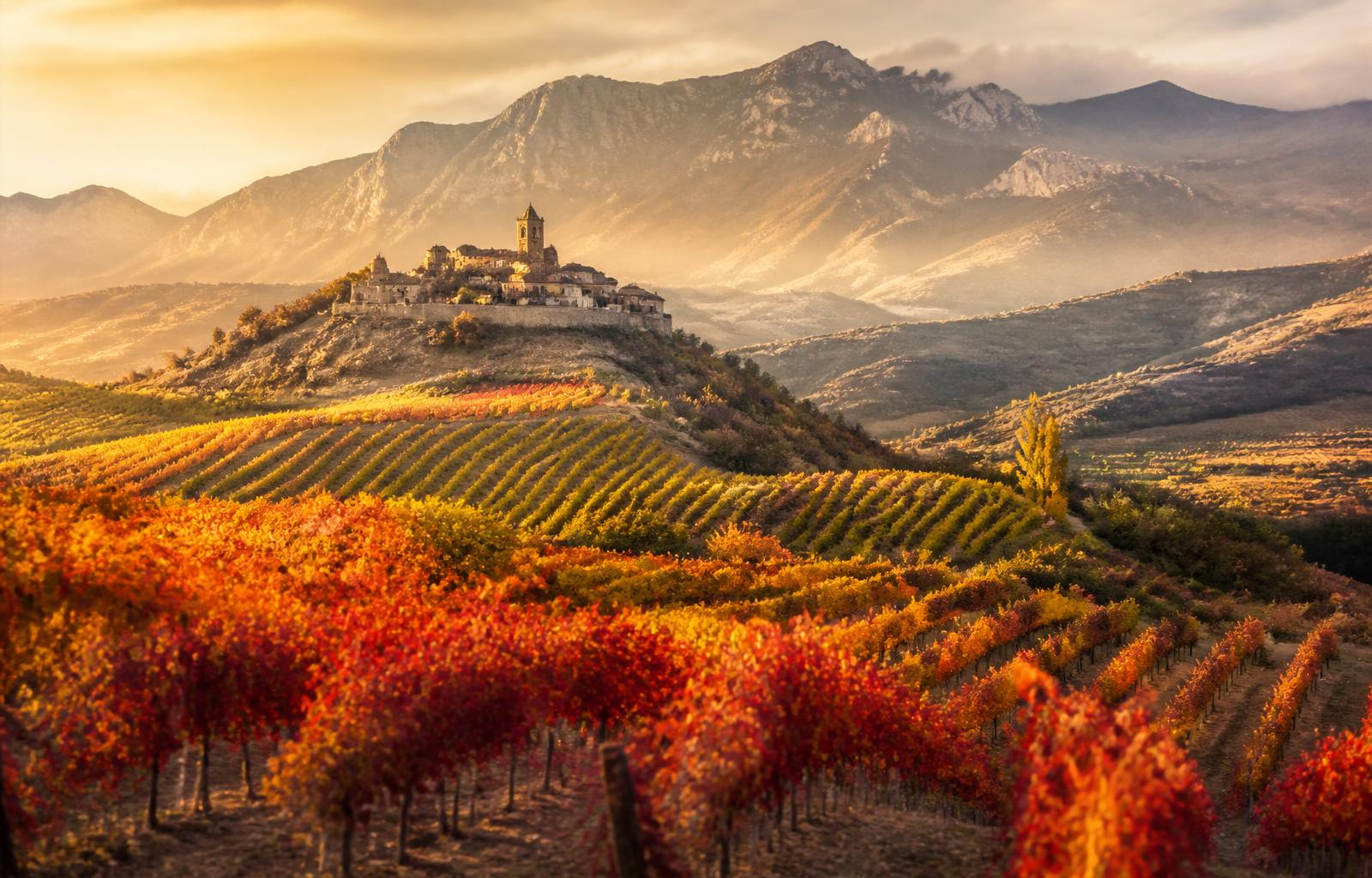
Rolling Rioja vineyards in autumn colour at golden hour, with a medieval hilltop village and the Cantabrian mountains rising behind
Spain Wine Guide

Spain · Wine Route

Rioja Weekend: Logroño, Haro & Tapas Nights

A solo-friendly guide to Tempranillo, Haro's historic bodegas, Logroño's tapas streets, and the medieval villages of the Rioja Alavesa.

  • Solo-Friendly
  • Tapas Nights
  • 3 Days
  • Tempranillo

There is a distinct, magnetic energy to Northern Spain. It is a place where the history is old, the architecture is grand, and the wine is poured with extraordinary generosity. Rioja is Spain's most famous wine region, but it is not just one long stretch of identical vineyards. It is a deeply layered landscape of medieval hill towns, ancient cellars that smell of damp earth and American oak, and lively, chaotic tapas streets where the evening doesn't truly begin until 9:00 PM.

For the solo traveller, Rioja offers a brilliant rhythm. You can spend the morning walking through a 19th-century cellar in Haro, the afternoon driving past the striking, modern architecture of the Rioja Alavesa, and the evening navigating the bustling, standing-room-only pintxos bars of Logroño. It is a region that rewards curiosity and a healthy appetite.

This is my guide to experiencing the true heart of Rioja — the legendary bodegas, the tapas trails, and the Tempranillo that ties it all together.

Base

Logroño — with day trips to Haro's bodegas and the medieval Rioja Alavesa

Getting around

Fast train from Madrid to Logroño; regional train or bus to Haro; hire car or driver for the Alavesa villages

When to go

Late spring and September–October for harvest energy and mild weather

Best for

Solo wine travel, Tempranillo, tapas crawls & historic bodegas

Take It With You

Save this route as a PDF

Open a clean, print-ready version of this Rioja wine weekend — save it as a PDF or print it for the trip. Every base, bodega and tapas bar travels with it.

Before You Go

Understanding Rioja Wine

Rioja is built almost entirely around the Tempranillo grape, often blended with Garnacha, Graciano and Mazuelo, and famous for its oak aging — traditionally American oak, which imparts notes of vanilla, coconut and dill. To understand Rioja, you must understand its aging classification, which dictates how long a wine must rest before it is released. Rioja also splits into three zones: the elegant, age-worthy Rioja Alta around Haro; the structured, aromatic Rioja Alavesa around Laguardia; and the warmer, riper Rioja Oriental.

ClassificationAging RequirementsKey GrapesWhat to Expect
CrianzaMin. 2 years total, at least 1 year in oakTempranillo-basedFresh, fruit-forward, subtle oak — perfect for tapas
ReservaMin. 3 years total, at least 1 year in oak, 6 months in bottleTempranillo-basedElegant, balanced, complex — the classic Rioja expression
Gran ReservaMin. 5 years total, at least 2 years in oak, 2 years in bottleTempranillo-basedOnly in exceptional years — earthy, leather, dried fruit, built to age
Blanco / White RiojaViura-based whites, sometimes lightly oakedViura, Garnacha Blanca, Tempranillo BlancoApple, lemon, almond — restrained and food-friendly

Nicole's Angle: On the tapas crawl, order a Crianza — fresh, bright and a fraction of the price of a Gran Reserva, and exactly what cuts through garlicky pintxos.

Getting Around

Basing Yourself in Logroño

The easiest way to reach Rioja from Madrid or Barcelona is by train. The fast train from Madrid to Logroño takes just over three hours and drops you in the heart of the region. For a solo traveller, Logroño is the most practical and lively base — the famous tapas streets are right at your doorstep, and you can easily take the regional train or bus to Haro for a full day of wine tasting.

If you prefer to wake up surrounded by historic wineries, base yourself in Haro instead — its legendary Barrio de la Estación is entirely walkable. The one thing to plan around is the Rioja Alavesa: to explore the medieval villages like Laguardia, you will need to hire a car or book a local driver, as public transport between the smaller villages is limited.

Nicole's Tip: Book your bodega tours in advance — the great Haro estates fill up, and the most traditional cellars (like López de Heredia) can be hard to reserve. Lock in your two or three winery visits before you arrive.

The Guide

The Heart of Rioja

The Base

Logroño: The Tapas Nights

Logroño is the bustling, modern capital of the Rioja region, but its historic centre holds one of the greatest culinary experiences in Spain. The tradition here is not to sit down for a massive meal. Instead, you move from bar to bar — you order a crianza (a small glass of young Rioja) and the one specific tapa that the bar is famous for. You eat standing up, toss your napkin, and move to the next spot. It is fast, loud, and the absolute best way to dine solo.

What to Do

  1. Calle del Laurel

    The most famous tapas street in Rioja. It is packed shoulder-to-shoulder by 9:30 PM, with each tiny bar specialising in a single, perfect dish. Wedge yourself in at the counter, order confidently, and let the joyful chaos carry you from one doorway to the next.

  2. Calle San Juan

    A slightly quieter, more local alternative just a few blocks from Calle Laurel, with equally exceptional food. Come here when you want the same standing-room ritual at a gentler pace.

Where to Eat & Drink Well

  1. Tondeluna

    Muro de Francisco de la Mata 9, Logroño

    If you want a sit-down meal away from the tapas crawl, book a table here. Run by Michelin-starred chef Francis Paniego, Tondeluna offers creative, modern Riojan cuisine in a bright, beautifully designed space with communal wooden tables. It is welcoming, chic, and very solo-friendly.

    Nicole's Tip: Ask to be seated at the communal table — it is the easiest, most natural way to dine alone here.

  2. Bar Soriano

    Travesía del Laurel, Logroño

    Famous for one thing — the champiñón. A stack of three garlic-butter mushrooms grilled to order, topped with a tiny shrimp and served on a slice of bread. It is messy and perfect, and they have been making it the same way for decades.

  3. Bar Lorenzo

    Calle del Laurel, Logroño

    Head here for the pinchos morunos — spicy, marinated pork skewers cooked over hot coals. Order one, pair it with a chilled crianza, and keep walking.

  4. La Tavina

    Calle del Laurel 2, Logroño

    Located on the corner of Calle Laurel, this is a brilliant wine bar with an enormous selection of Rioja by the glass and excellent, slightly more modern tapas. The perfect spot to slow down and actually taste the region by the glass.

The Estates

Haro: The Barrio de la Estación

Haro is the historic capital of Rioja Alta. In the late 19th century, when the phylloxera plague devastated French vineyards, Bordeaux merchants came to Haro to buy wine and built a railway station to transport it home. A cluster of legendary bodegas sprang up right around the tracks. Today the Barrio de la Estación holds the highest concentration of century-old wineries in the world — and you can walk from one legendary cellar door to the next, no car required.

Where to Eat & Drink Well

  1. R. López de Heredia Viña Tondonia

    Av. de Vizcaya 3, Haro

    The most traditional, uncompromising winery in Rioja. They still make their own barrels by hand and age their wines far longer than the law requires. The architecture is a striking mix of 19th-century stone and a modern tasting pavilion designed by Zaha Hadid.

    Nicole's Tip: Tours are notoriously difficult to book and often reserved for professionals — check availability early, or book a tasting in the pavilion.

  2. Bodegas Muga

    Barrio de la Estación, Haro

    One of the few wineries in Spain that still employs a master cooper to build all their own oak vats and barrels. The tour is exceptional — you can smell the toasted oak in the air — and their welcoming tasting room makes their benchmark Reserva an easy, generous introduction to the region.

  3. La Rioja Alta, S.A.

    Av. de Vizcaya 8, Haro

    Founded in 1890, this estate produces some of the most elegant, classic Gran Reservas in the world — their 890 and 904 bottlings are legendary. The tasting room features a lovely outdoor terrace where you can pair their wines with excellent local cheeses and light tapas.

  4. CVNE

    Barrio de la Estación, Haro

    Another 19th-century icon in the Barrio de la Estación. The highlight of the tour here is the Nave Eiffel — a spectacular, column-free wine cellar designed by the studio of Gustave Eiffel in 1909.

Where to stay: Eurostars Los Agustinos is the place to base yourself in Haro to walk to the wineries. It is housed in a spectacular, completely renovated 14th-century convent, with a stunning glass-roofed central courtyard, right in the historic heart of town.

The Day Trip

Rioja Alavesa: Architecture & Medieval Villages

Just a 20-minute drive north of Logroño, across the Ebro River, lies the Rioja Alavesa. The landscape changes dramatically here, with the imposing Cantabrian Mountains rising up behind the vines. This higher-altitude zone produces structured, aromatic wines — and it is home to both Spain's most beautiful walled wine village and its boldest piece of wine-country architecture.

What to Do

  1. Laguardia

    One of the most beautiful medieval walled villages in Spain. Because the entire town is built over a network of ancient, underground wine cellars, cars are not allowed inside the walls. It is a stunning place to wander solo, stopping at the small enotecas to taste the local Alavesa wines.

Where to Eat & Drink Well

  1. Marqués de Riscal — City of Wine

    Calle Torrea 1, Elciego

    You cannot miss this. Rising out of the traditional 19th-century sandstone winery is a wild, sweeping canopy of pink, gold, and silver titanium designed by Frank Gehry (who also designed the Guggenheim in Bilbao). It houses a luxury hotel, a Michelin-starred restaurant, and a brilliant tasting room — the ultimate symbol of Rioja's blend of ancient tradition and striking modernity.

Where to stay: Hotel Marqués de Riscal in Elciego is the ultimate solo splurge. Staying inside the Frank Gehry-designed masterpiece is an experience in itself — you wake up surrounded by vineyards, with access to a Vinothérapie spa and world-class dining.

The Plan

A Suggested Route: Three Days in Rioja

Day 1

Logroño

Arrive by train and settle into Logroño. Late-afternoon stroll through the old town, then the main event: a tapas crawl down Calle del Laurel from around 9:00 PM. Champiñón at Bar Soriano, pinchos morunos at Bar Lorenzo, a glass of crianza at La Tavina. Eat standing up and keep moving.

Day 2

Logroño → Haro

Regional train or bus to Haro for a full day in the Barrio de la Estación. Morning tour at Bodegas Muga (smell the cooperage), then walk to La Rioja Alta or CVNE for an afternoon tasting on the terrace. Return to Logroño for a quieter dinner — book a communal table at Tondeluna.

Day 3

Rioja Alavesa

Hire a car or driver and cross the Ebro into the Alavesa. Wander the walled village of Laguardia and taste at its tiny enotecas, then on to Elciego for the Frank Gehry-designed Marqués de Riscal — a tour, a tasting, and lunch beneath the titanium ribbons.

Travel Well

The Solo Sips & Bites Philosophy for Rioja

Embrace the crianza

When you are on a tapas crawl, do not order the heavy, expensive Gran Reservas. Order a crianza. It is fresh, bright, slightly chilled, and exactly what you need to cut through the rich, garlicky flavours of the pintxos. Save the Gran Reserva for a sit-down dinner.

Eat standing up

The beauty of Calle Laurel is the lack of formality. Do not look for a table. Wedge yourself in at the bar, order confidently, and enjoy the chaotic, joyful energy of a Spanish evening. It is the most liberating way to dine alone.

Walk the Barrio

Haro's Barrio de la Estación is unique in the wine world because you do not need a car to visit some of the greatest estates in the country. Book your tours in advance, wear comfortable shoes, and spend a full day walking from Muga to La Rioja Alta to CVNE.

Rioja refuses to choose between the past and the future. You can drink a wine made exactly as it was in 1890, while standing in a tasting room designed for the next century. Salud!

Save This

Quick Reference

VenueLocationBest ForSolo-Friendly
R. López de HerediaHaroUncompromising tradition & Zaha Hadid pavilion✓ Book ahead
Bodegas MugaHaroMaster coopers & classic Rioja Reserva✓ Excellent
La Rioja Alta, S.A.HaroElegant Gran Reservas & terrace tapas✓ Book ahead
CVNEHaroThe Gustave Eiffel-designed cellar✓ Book ahead
TondelunaLogroñoModern Riojan dining & communal tables✓ Excellent
La TavinaLogroñoRioja by the glass & modern tapas✓ Excellent
Calle del LaurelLogroñoThe ultimate standing-room tapas crawl✓ Excellent
Marqués de RiscalElciegoFrank Gehry architecture & luxury wine tourism✓ Book ahead
Eurostars Los AgustinosHaroA 14th-century convent in the heart of Haro✓ Excellent
Hotel Marqués de RiscalElciegoSleeping inside the Gehry masterpiece✓ Splurge

Good to Know

Frequently asked questions

What is the best base for a Rioja wine weekend?

+

Logroño is the most practical and lively base for solo travellers — the famous Calle del Laurel tapas street is on your doorstep, and the fast train from Madrid takes just over three hours. Haro is the alternative if you want to wake up surrounded by historic bodegas you can walk between.

Do you need a car to visit Rioja?

+

Not for Haro — its Barrio de la Estación holds the world's highest concentration of century-old wineries, all within walking distance, and is reachable from Logroño by regional train or bus. You will want a hire car or local driver to explore the medieval villages of the Rioja Alavesa, such as Laguardia and Elciego.

What wine is Rioja known for?

+

Rioja is built around the Tempranillo grape, blended with Garnacha, Graciano and Mazuelo, and famous for its oak aging. The classification tiers — Crianza, Reserva and Gran Reserva — tell you how long a wine has aged, from fresh and tapas-friendly to deeply complex and ageworthy.

When is the best time to visit Rioja?

+

Late spring and September to October are ideal — mild weather, harvest energy in the vineyards, and the tapas streets at their liveliest. Remember that in Spain the evening tapas crawl doesn't truly begin until around 9:00 PM.

Travel Well

More wine weekends, sent slowly

New solo-friendly itineraries, beautiful tables, and downloadable guides — only when there's something genuinely worth sharing.