Wine Regions
The World in a Glass.
An editorial guide to the wine regions that shape how we drink, dine, and travel — from centuries-old European estates to the bold new voices of the Southern Hemisphere. Start with place, follow the grape, and let every glass lead somewhere unforgettable.
Cornerstone Guide
World Wine Regions Guide
Wine is one of the most beautiful ways to understand a place. A bottle can carry the warmth of a valley, the salt of a coast, the coolness of a mountain night, or the memory of a region that has been making wine for centuries. That is why wine regions matter. They are not just names on a label; they are clues to flavour, style, history, food culture, and travel experience.
This guide is designed to help readers move through the world of wine with more confidence, whether they are choosing a glass at dinner, planning a vineyard trip, or learning why the same grape can taste completely different from one place to another. A Pinot Noir from Burgundy, Oregon, and Central Otago may share the same grape variety, but each region gives it a different voice. A Sauvignon Blanc from the Loire Valley may feel mineral and restrained, while one from Marlborough may feel bright, tropical, and intensely aromatic.
At Nicole Takes Flight, wine is not about memorizing every appellation or pretending to know more than you do. It is about learning how to notice. The region tells you where to begin. From there, you can follow the grapes, the food, the landscape, and the story — and where each region sits in the world.
How to Explore the World's Wine Regions
Use this table as a starting point. Begin with the region that matches your curiosity, your palate, or the kind of trip you want to take. If you love history, start with Europe. If you love bold reds and sun-filled vineyards, explore the Americas or Australia. If you are drawn to dramatic landscapes and food-forward travel, South Africa deserves your attention. If you want crisp whites, coastal regions and mountain vineyards will likely become your favourites.
Begin Here
Start With Place.
Wine begins long before the bottle. It begins with a slope, a season, a soil type, a farming decision, a family tradition, and a culture of eating and gathering. That is why two bottles made from the same grape can taste completely different depending on where they are grown. A Cabernet Sauvignon from Napa Valley may feel plush and sun-drenched, while one from Bordeaux may feel more structured, earthy, and restrained. A Riesling from Germany's Mosel can taste electric and slate-driven, while a Riesling from Australia's Clare Valley often shows lime, intensity, and dry precision.
This guide is here to help you read a wine list, plan a trip, choose a bottle, and understand why place matters. Whether you are booking a solo tasting in Stellenbosch, ordering a glass of Chianti in Florence, or deciding between Sauvignon Blanc from Marlborough and Sancerre, the region is one of the most useful clues in the glass.
How to Use This Guide
If you want to
Understand classic wine regions
Begin with Europe — France, Italy, Spain, Portugal, and Germany.
Start HereIf you want to
Find bold, fruit-forward wines
Explore the Americas — California, Argentina, Chile, Oregon, Washington, and Uruguay.
Start HereIf you want to
Discover sunny, expressive styles
Visit Australia & New Zealand — from Barossa Shiraz to Marlborough Sauvignon Blanc.
Start HereIf you want to
Plan a scenic, food-rich wine trip
Start with South Africa — Stellenbosch, Franschhoek, Swartland, and Walker Bay.
Start HereIf you want to
Learn by grape variety
Follow the grape links on each region page — Pinot Noir, Chardonnay, Malbec, Riesling, Chenin Blanc, Syrah and more.
Start HereIf you want to
Travel solo with confidence
Look for regions with easy transportation, welcoming tasting rooms, and plenty to do beyond wine.
Start HereThe Anatomy of a Region
What Makes a Wine Region Distinct?
A wine region is more than a dot on a map. It is a combination of natural conditions, human choices, and cultural history — shaping body, acidity, ripeness, aroma, texture, and age-worthiness.
Climate
Warm regions ripen fruit fully — fuller body, higher alcohol. Cool regions preserve acidity and freshness.
Napa Cabernet often feels richer than Bordeaux Cabernet-based blends.
Soil
Affects drainage, heat retention, vine stress, and root depth.
Slate soils give Mosel Riesling its piercing, mineral feel.
Terrain
Elevation, slope, wind, and proximity to water all shape ripening.
Mendoza's high-altitude vineyards keep Malbec fresh under intense sun.
Grape Variety
Every grape responds differently to climate and place.
Pinot Noir thrives in cooler regions like Burgundy, Oregon, and Central Otago.
Tradition
Local rules and customs shape what's planted and how wine is made.
Rioja is defined by Tempranillo and a long oak-ageing tradition.
Appellation
A legally defined area signals origin, production rules, and identity.
In the U.S., an AVA-labelled wine must meet grape-origin requirements tied to that area.
Explore Wine Regions by Destination
A curated tour of the world's great wine regions — Old World classics in France, Italy, Spain, Portugal and Germany; New World standouts across the United States, Argentina, Chile, Australia, New Zealand and South Africa. Use the cards below to drill into each continent, then follow the grape variety links to plan a trip.
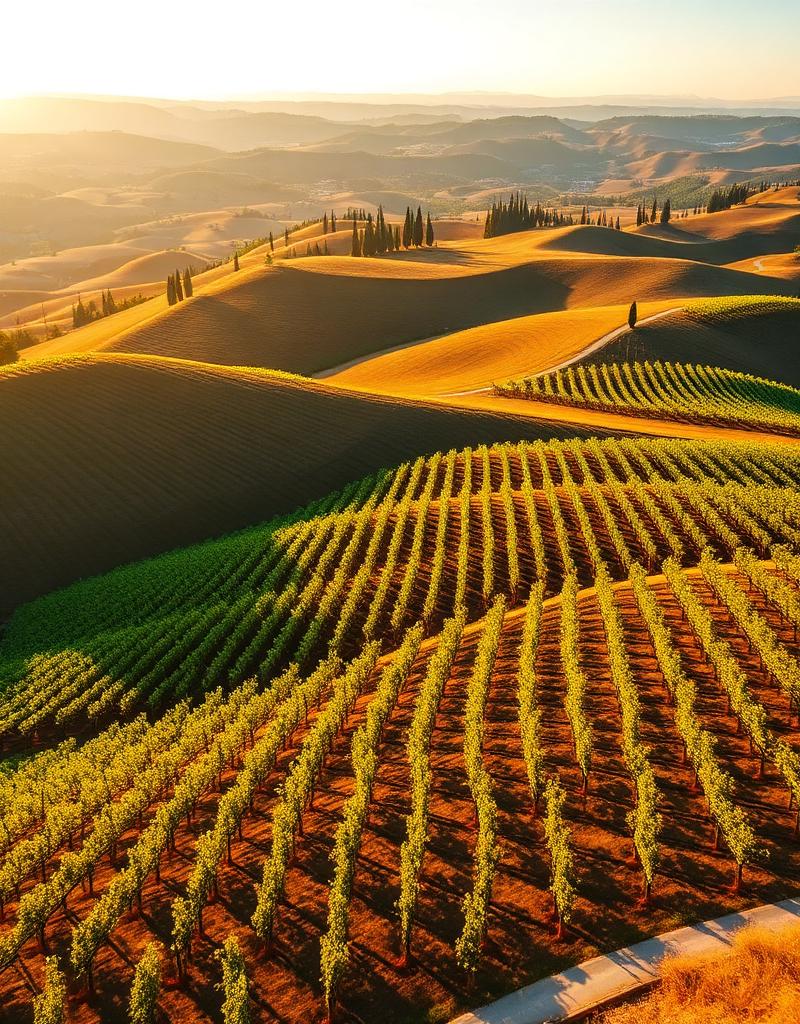
Where it all began
Europe
From Bordeaux to Barolo, the Old World remains the spiritual home of wine — centuries of terroir, tradition, and quiet mastery.
Explore regionBordeaux, Burgundy, Champagne, the Loire Valley, the Rhône Valley, Tuscany, Piedmont, Rioja, the Douro Valley, and the Mosel — Europe is home to the world's benchmark styles in Pinot Noir, Chardonnay, Cabernet Sauvignon, Merlot, Sangiovese, Nebbiolo, Tempranillo, Touriga Nacional, and Riesling.
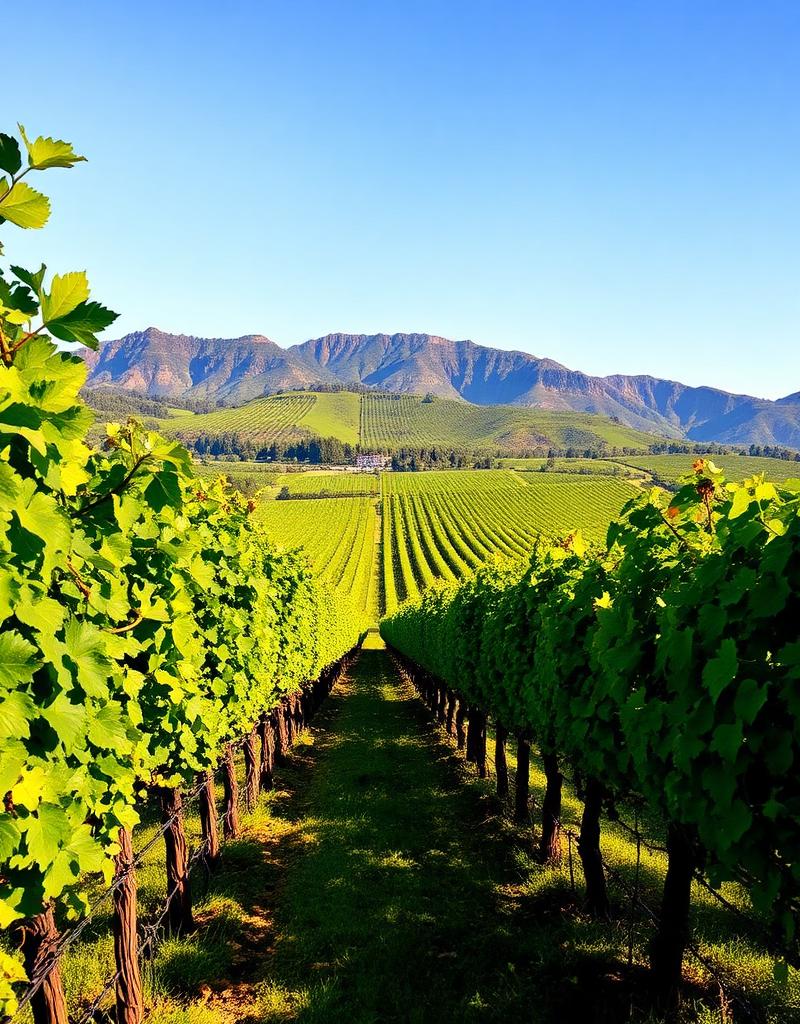
Bold, vibrant, unapologetic
The Americas
From Napa's sun-drenched Cabernets to Mendoza's high-altitude Malbecs, the New World has rewritten the rules with confidence.
Explore regionNapa Valley, Sonoma, the Willamette Valley, Santa Barbara, Walla Walla, the Finger Lakes, Mendoza, the Uco Valley, the Maipo Valley, Colchagua, Casablanca, Limarí, Uruguay, and Valle de Guadalupe — a continent of Cabernet Sauvignon, Pinot Noir, Chardonnay, Malbec, Carménère, Tannat, and Zinfandel.
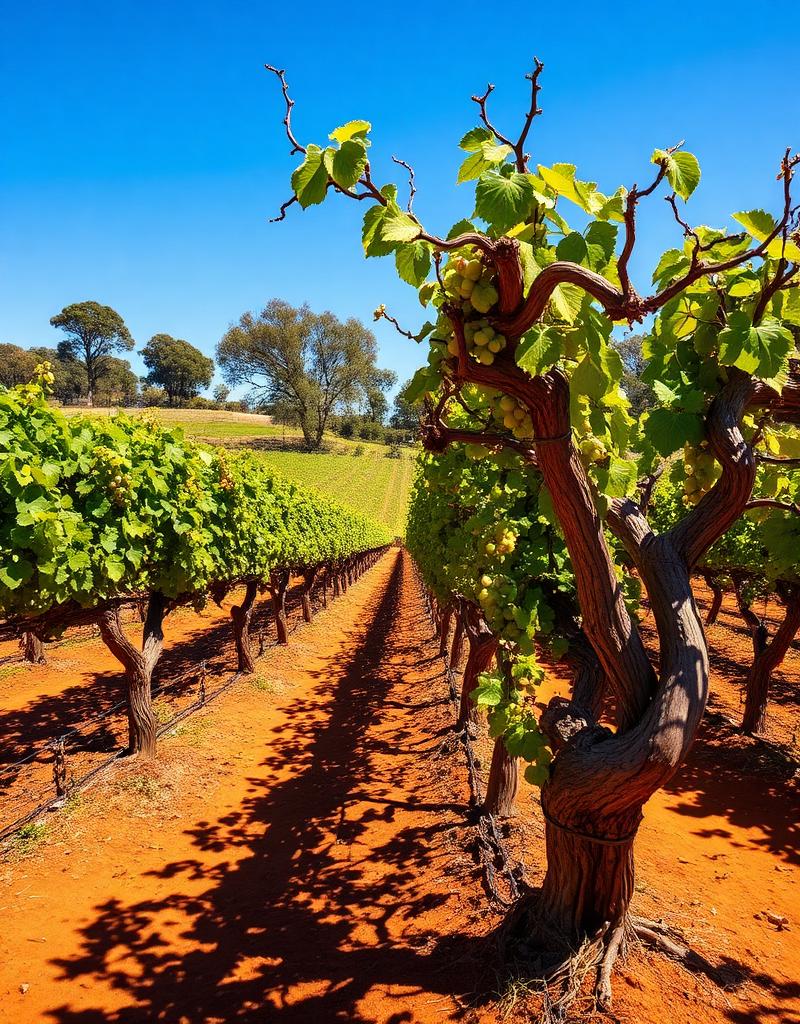
Southern Hemisphere brilliance
Australia & New Zealand
Two countries that have earned their place at the global table — with Shiraz, Sauvignon Blanc, and a fiercely independent spirit.
Explore regionBarossa Valley, McLaren Vale, Margaret River, Hunter Valley, Yarra Valley, Mornington Peninsula, Tasmania, Marlborough, Central Otago, Hawke's Bay, and Martinborough — Southern Hemisphere brilliance across Shiraz, Cabernet Sauvignon, Chardonnay, Semillon, Sauvignon Blanc, Pinot Noir, and Syrah.
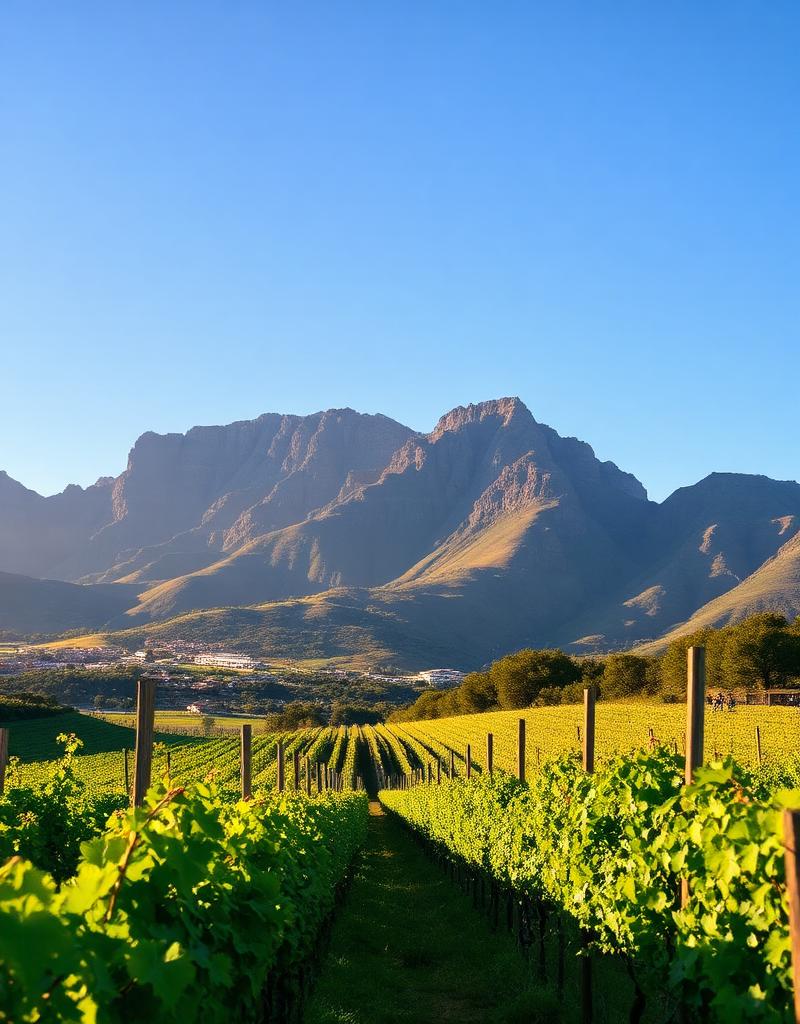
Africa's viticultural jewel
South Africa
Three centuries of winemaking, a unique grape in Pinotage, and a renaissance that has the wine world paying attention.
Explore regionStellenbosch, Franschhoek, Constantia, Swartland, Walker Bay, Hemel-en-Aarde, Elgin, and Paarl — old vines, dramatic mountains, and a new generation of producers crafting Chenin Blanc, Cabernet Sauvignon, Syrah, Pinotage, Chardonnay, Sauvignon Blanc, and Méthode Cap Classique.
Region Preview
Europe Wine Regions
The Old World foundation: France, Italy, Spain, Portugal, Germany, Austria, Greece, and beyond. Tradition, appellation systems, food-driven wines, and a deep sense of place.
Europe is where many of wine's most famous names became benchmarks — Bordeaux for structured blends, Burgundy for Pinot Noir and Chardonnay, Champagne for traditional-method sparkling, Tuscany for Sangiovese, Piedmont for Nebbiolo, Rioja for Tempranillo, Douro for Port, and Mosel for Riesling. But Europe is not only about prestige. It is also about regional identity, local food, and wines designed to belong at the table. France labels by place rather than grape, Italy rewards regional curiosity, Spain offers some of the best value in the world, Portugal is a treasure map of native varieties, and Germany proves that Riesling can be dry, electric, and deeply expressive.
Countries to Explore
Region Preview
The Americas Wine Regions
Bold, diverse, and constantly evolving. From California's iconic Cabernet Sauvignon and Oregon's elegant Pinot Noir to Argentina's high-altitude Malbec, Chile's coastal Carménère, Uruguay's Tannat, and Mexico's Valle de Guadalupe.
The Americas are where tradition meets reinvention. California still anchors the conversation with Napa Valley Cabernet Sauvignon, Sonoma diversity, Santa Barbara Pinot Noir and Chardonnay, and Paso Robles Rhône-style blends. Oregon's Willamette Valley has become a global reference point for Pinot Noir, while Washington excels with Cabernet, Merlot, Syrah, and Riesling. South America adds altitude, sunlight, value, and energy — Argentina's Mendoza and the Uco Valley give Malbec its modern global identity, Chile moves from classic Maipo Valley and Colchagua to coastal Casablanca and Limarí where Carménère and Sauvignon Blanc shine, Uruguay deserves more attention for Tannat, and Mexico's Valle de Guadalupe has quietly become one of North America's most exciting wine-and-food destinations.
Countries to Explore
Region Preview
Australia & New Zealand Wine Regions
Southern Hemisphere brilliance with a fiercely independent voice. Australia delivers power, polish, and regional contrast; New Zealand answers with luminous whites and increasingly serious Pinot Noir.
Australia and New Zealand are often grouped together, but they speak in very different accents. Australia is continental, diverse, and bold — with some of the oldest vines in the world and a remarkable ability to produce both generous reds and restrained cool-climate wines. Barossa Valley is synonymous with Shiraz, Margaret River is a benchmark for Cabernet Sauvignon and Chardonnay, Hunter Valley is famous for age-worthy Semillon, and Tasmania is one of the most exciting places for sparkling and Pinot Noir. New Zealand built its global reputation on Marlborough Sauvignon Blanc, but Central Otago produces dramatic Pinot Noir, Hawke's Bay offers Syrah and Bordeaux-style blends, and Waiheke Island gives travellers a beautiful wine escape close to Auckland.
Countries to Explore
Region Preview
South Africa Wine Regions
One of the world's most compelling wine destinations for travellers who love scenery, food, history, and value. Old vines, maritime influence, dramatic mountains, and a new generation of creative producers.
South Africa deserves to be more than a supporting card. It blends dramatic scenery, serious wine, strong restaurants, design-forward estates, and relatively accessible luxury. Stellenbosch brings structure and prestige, Franschhoek adds French Huguenot history and culinary charm, Constantia offers historic vineyards close to Cape Town, Swartland brings old vines and creative producers, and Walker Bay offers cool-climate elegance near the coast. South Africa is also one of the best places in the world to learn Chenin Blanc — crisp, textured, old-vine, oak-aged, sparkling, or sweet — while Pinotage remains its most distinctive red. The modern story is much broader: Cabernet Sauvignon, Syrah, Chardonnay, Sauvignon Blanc, Cinsault, and Méthode Cap Classique all deserve space on the page.
Regions to Taste
The Edges of the Map
Ancient & Emerging Wine Worlds
Some of the most interesting wines on the table today come from places that don't fit neatly into the four classic buckets — ancient cradles of viticulture and confident newcomers reshaping the global conversation.
A Mood-Led Map
Choose Your Region by Mood
If you're craving
Old-world romance
Go to Burgundy, Tuscany, Rioja, Douro Valley
Historic villages, long meals, cellar traditions, and wines built around place.
If you're craving
Big, confident reds
Go to Napa Valley, Barossa Valley, Mendoza, Stellenbosch
Cabernet, Shiraz, Malbec, and structured blends with presence.
If you're craving
Crisp whites and seafood
Go to Loire Valley, Rías Baixas, Marlborough, Santorini, Margaret River
High-acid whites that pair beautifully with coastal dining.
If you're craving
Sparkling moments
Go to Champagne, Tasmania, Franciacorta, South Africa, England
Traditional-method bubbles for celebrations and elegant pairings.
If you're craving
Scenic solo travel
Go to Sonoma, Stellenbosch, Douro Valley, Willamette Valley, Marlborough
Strong tourism infrastructure, beautiful landscapes, and plenty to do beyond tastings.
If you're craving
Value and discovery
Go to Portugal, Chile, South Africa, Spain, Greece
Distinctive regional wines that often overdeliver for the price.
If you're craving
Food-first itineraries
Go to Tuscany, Piedmont, Rioja, Franschhoek, Sonoma
Regions where wine and regional cuisine are inseparable.
Best Wine Regions for Solo Travellers
Wine travel can feel intimidating when you're alone, but the right region makes it easy. Look for places with welcoming tasting rooms, safe transportation, strong restaurant culture, scenic towns, and enough non-wine activities to fill the day.
Sonoma County
Relaxed, varied, and easier to navigate than many prestige regions.
Plan a laid-back California wine weekend.
Willamette Valley
Intimate tasting rooms, beautiful scenery, and excellent Pinot Noir.
Explore Oregon wine country.
Stellenbosch & Franschhoek
Strong hospitality, world-class food, and memorable scenery.
Start a Cape Winelands itinerary.
Marlborough
Easy access to Sauvignon Blanc producers and outdoor experiences.
Taste New Zealand's signature white.
Rioja
Culture, food, architecture, and excellent value.
Pair wine with Spanish dining.
Douro Valley
Dramatic landscapes and river views.
Discover Portugal's terraced vineyards.
Mendoza
High-altitude scenery and a strong guided-tour culture.
Taste Malbec at the source.
Tuscany
Timeless landscapes, regional food, and classic Italian wine towns.
Build a slow wine-and-dining escape.
Wine Region Glossary
- Appellation
- A legally defined wine-growing area. Depending on the country, it may also involve rules about grapes, production, and labelling.
- AVA
- American Viticultural Area — a recognised grape-growing area in the United States.
- Terroir
- The way climate, soil, terrain, and place influence the taste and character of wine.
- Old World
- Traditional European wine regions — France, Italy, Spain, Portugal, Germany, Austria, Greece.
- New World
- Wine regions outside Europe, including the United States, Argentina, Chile, Australia, New Zealand, and South Africa.
- Cool Climate
- A region where grapes ripen more slowly, often preserving acidity and producing fresher styles.
- Warm Climate
- A region where grapes ripen more fully, often producing richer fruit, fuller body, and higher alcohol.
- Maritime Influence
- Cooling or moderating influence from a nearby ocean, bay, or large body of water.
- Altitude
- Vineyard elevation, which can preserve acidity by creating cooler nights and slower ripening.
- Field Blend
- A wine made from multiple grape varieties grown together in the same vineyard.
Reader Questions
Wine Regions FAQ
The Next Glass
Let the region choose the next trip.
Get Nicole's wine travel notes, solo dining finds, region guides, packing lists, and bottle recommendations — delivered with the same editorial eye you came here for. No overwhelm. Just thoughtful ways to drink, dine, and travel better.